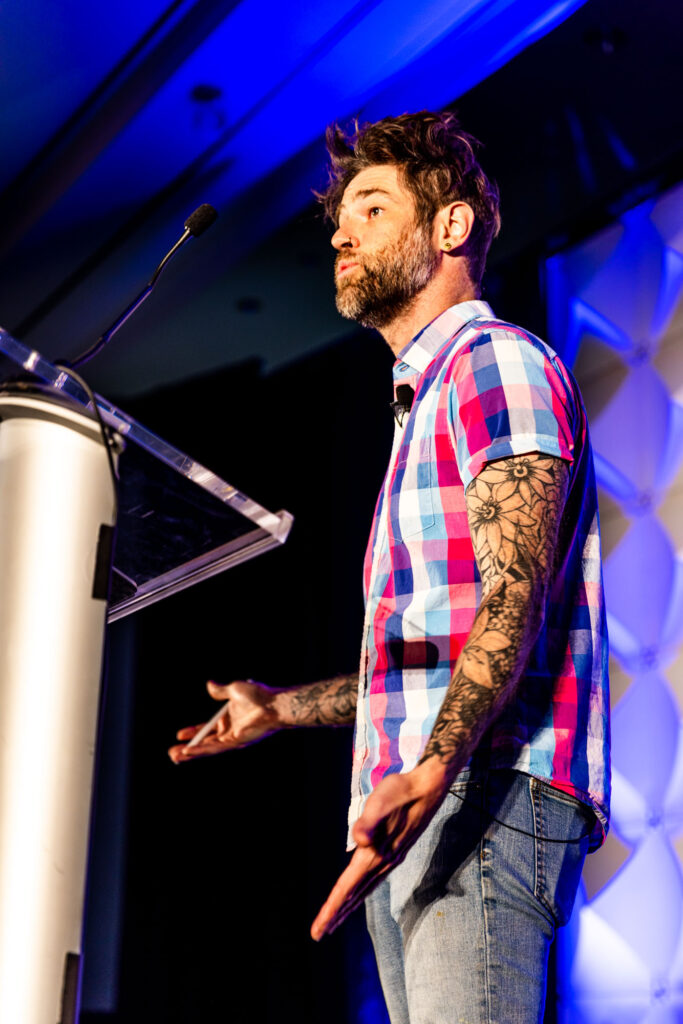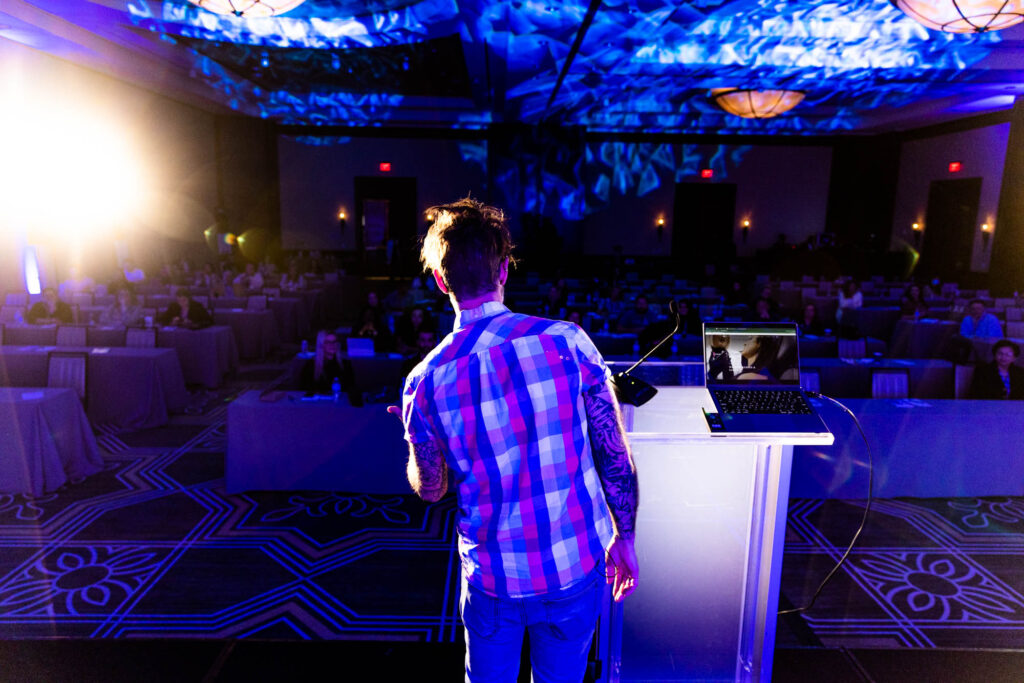
Healthcare Motivational Speakers
Make Clear Decisions in Healthcare
In healthcare, good people miss the mark for simple reasons. Speed can remove context, and unclear transitions can multiply assumptions. Adam teaches teams to notice those moments early, then slow the room down.
Designed for healthcare teams and their leaders.
Adam’s message respects clinical environments, operational constraints, and the reality of working in healthcare. He mirrors the pace and complexity leaders manage every day, without oversimplifying the work.

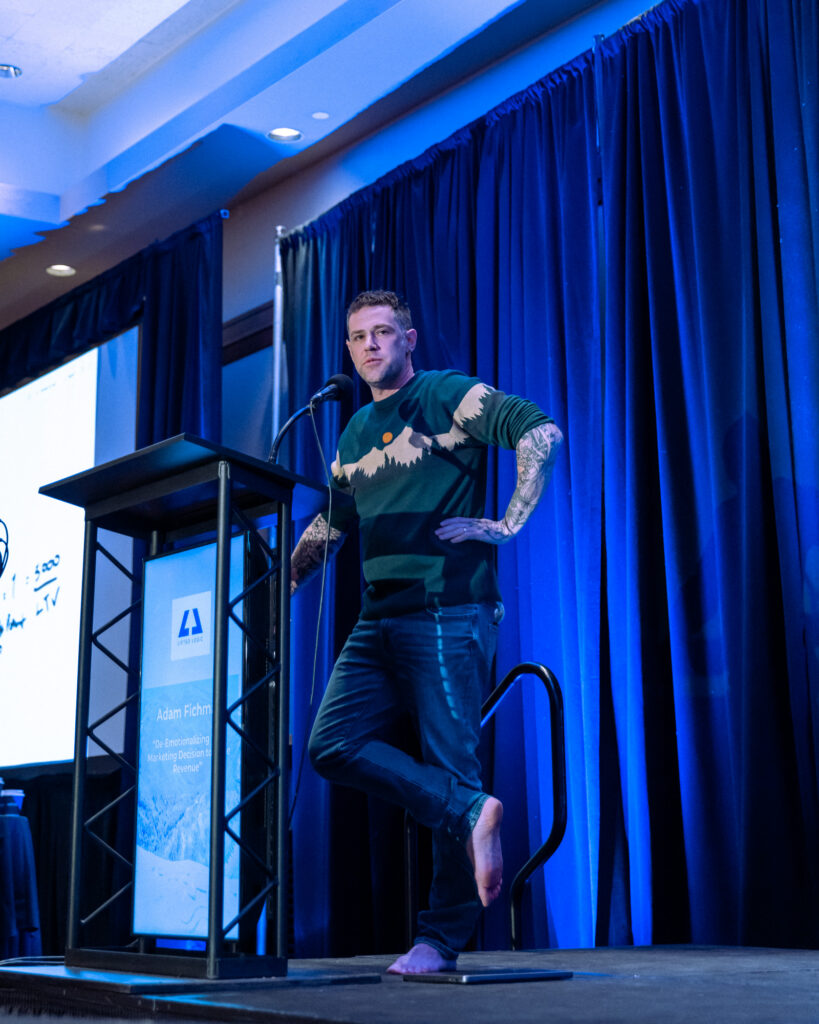
Founder
Entrepreneur

Educator
CEO
Consultant
Storyteller
Past Clients
Known by Major Healthcare Facilities Across the U.S.
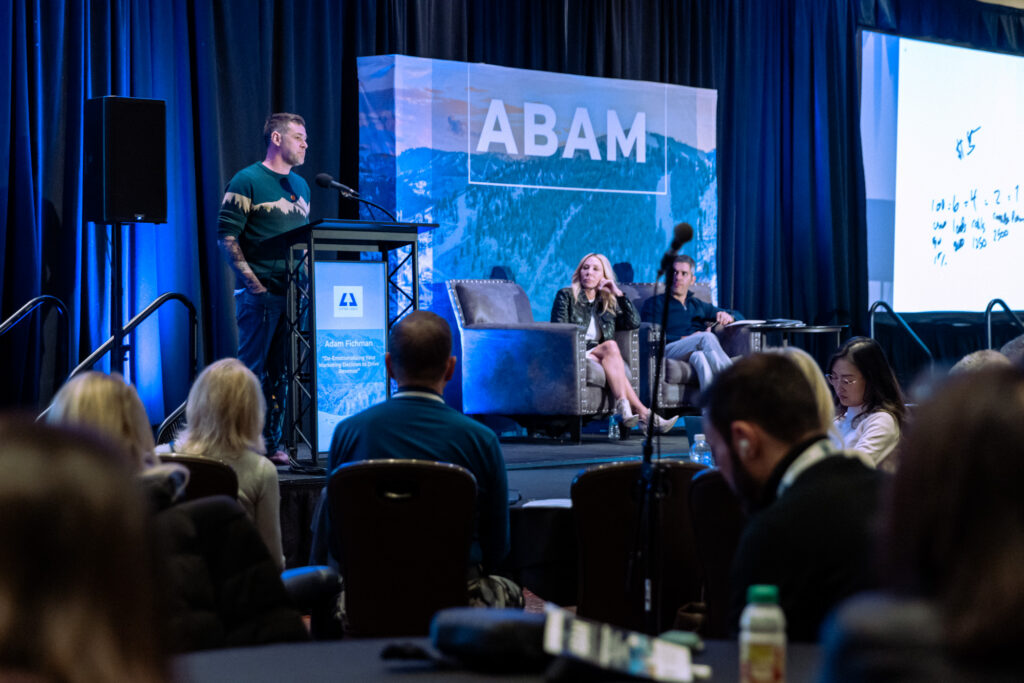
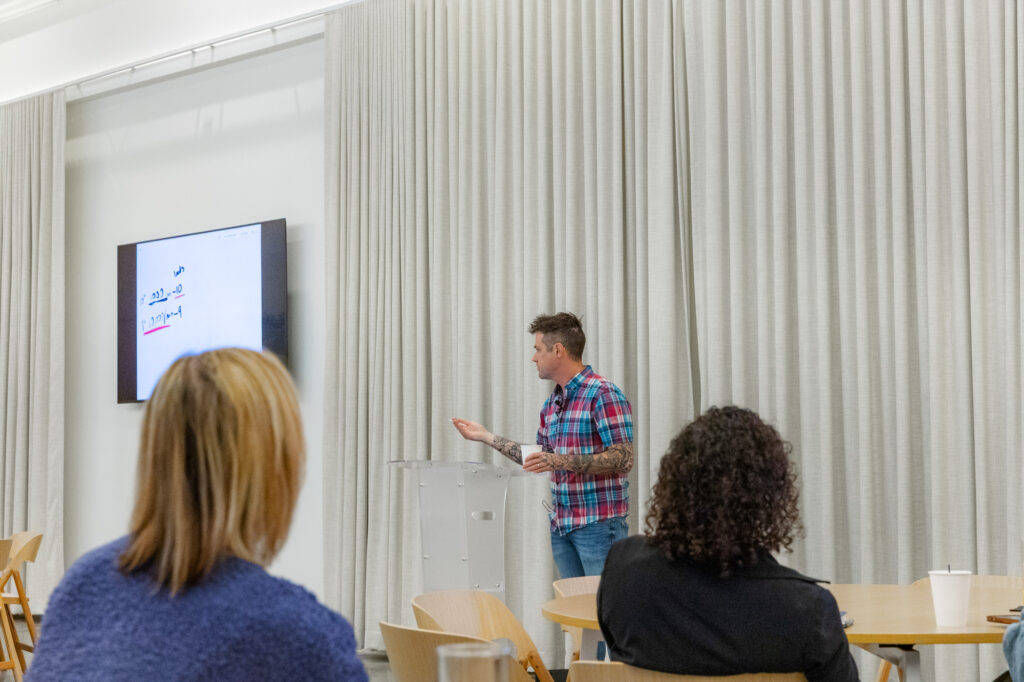
From conferences to internal summits, teams trust Adam to speak with credibility, restraint, and respect for how healthcare actually operates.













"...there is not only the website but the business knowledge that you get. There is just tremendous value add from Adam and his team." We've really enjoyed working with everybody!"
-Tony & Lorie Fields , Part Owners | Regain Functional Medicine + Aesthetics
"Adam...he is a visionary. He's someone that brings so much value in education to all of his customers. And you know, this is one of these [consultation & web site building experiences with Lifted Logic] where it's, at the ends of the day we become more friends, than we are customers, which makes being in this industry so much fun!"
-Will Christy , Practice Manager | Beauty Culture Med Spa
I've spoke at a few events hosted by Lifted Logic and it's been an invaluable experience for all the business owners...whether they are aesthetics or any other industry. This is information nobody gives away for free! And yet here we are giving away all our trade secrets, all of our knowledge, all of the information that we have to be able to help these business owners be successful in their trades.
-Lacy Edwards , Operating Partner | Smart Skin Med Spa
Industries Served
Arts & Culture
Automotive
Construction
Engineering
Education
Finance
Food/Beverage
HVAC
Manufacturing
Marketing
Medical
Sales
Technology
Travel/Leisure
Adam’s Story
Adam is the owner and founder of Lifted Logic, a digital agency in
Kansas City.
As President and Creative Director, Adam helps hundreds of businesses each year to understand their value and create a meaningful, profitable digital experience.

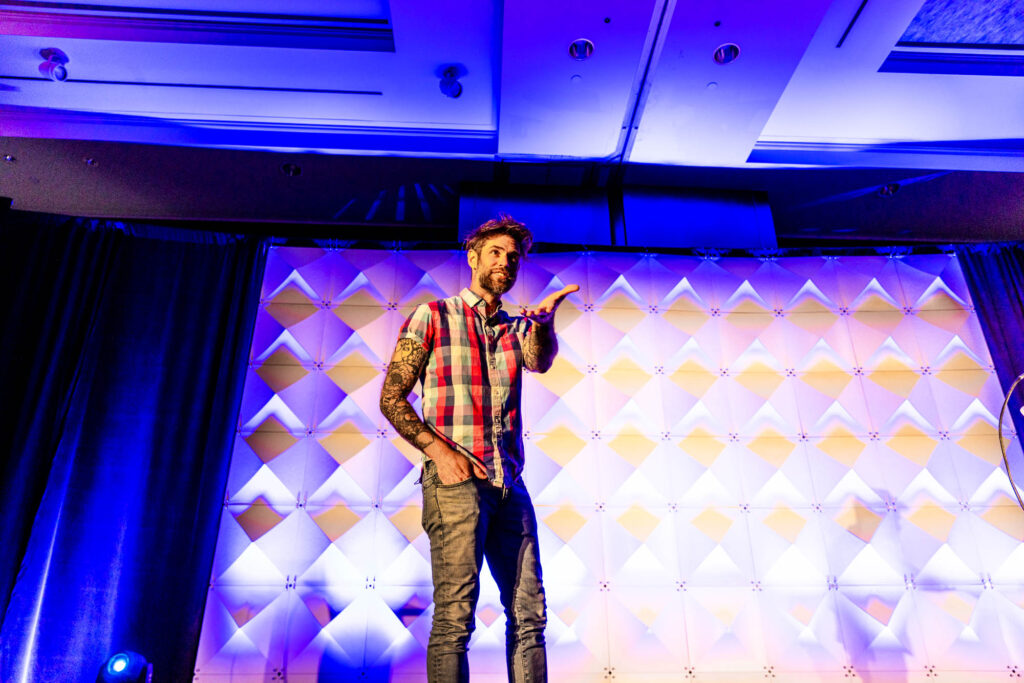
Frequently Asked Questions
Most leaders aren’t struggling with a lack of effort from their healthcare team members. They often watch as a team decision gets “settled” during a meeting, then hear it come up again after a shift change, a handoff, or a department-to-department transfer. Adam teaches teams to name ownership and set next-step standards in plain language, before assumptions fill in the gaps. That practical focus is what separates effective healthcare motivational speakers like Adam from talks that feel good but fade quickly.
Yes! Adam’s message doesn’t depend on job titles. It centers on shared friction points—knowing who owns what, when issues need to be brought up, and how work transitions between roles. Nurses, physicians, operations, IT, and executives all recognize those moments, which is why mixed audiences respond well to experienced healthcare motivational speakers.
Yes. Adam regularly speaks to audiences that span a variety of roles, departments, and locations within the same system. His message focuses on shared decision points—handoffs, leadership meetings, and moments where work transfers between people—which makes it relevant across sites. Leaders can pair a live event with Adam with a virtual keynote speaker session to reinforce the same language and expectations throughout all their locations.
Absolutely. That’s a common concern, especially when patient experience scores are already a sensitive topic. Adam doesn’t teach scripts, service behaviors, or give “say this to patients” advice. He concentrates on the initial moments where the patient experience gets subtly shaped.
Situations like missed context in handoffs, unconfirmed decisions, and teams struggling under pressure without a clear understanding. Those breakdowns show up later at the bedside, even though they start far from it. That systems-level focus is why some planners initially review customer service keynote speakers before realizing they need a healthcare motivational speaker like Adam. He addresses how teams actually work together, not how individuals perform on the surface.
The earliest signals show up in everyday interactions. Leaders hear fewer “we thought they were handling that” moments, fewer decisions being rehashed, and more questions raised earlier instead of after work has already moved forward (or after something has already gone wrong). Over time, teams start using the same language in huddles and meetings to clarify ownership and next steps. That consistency makes friction easier to spot and address.