

Corporate Motivational Speakers
Set the Bar
Setting the bar removes guesswork. When teams share clear performance standards, decisions stop drifting, work finishes faster, and effort stops getting wasted on rework that never should have happened.
Nothing Drains Teams Like Unstable Decisions.
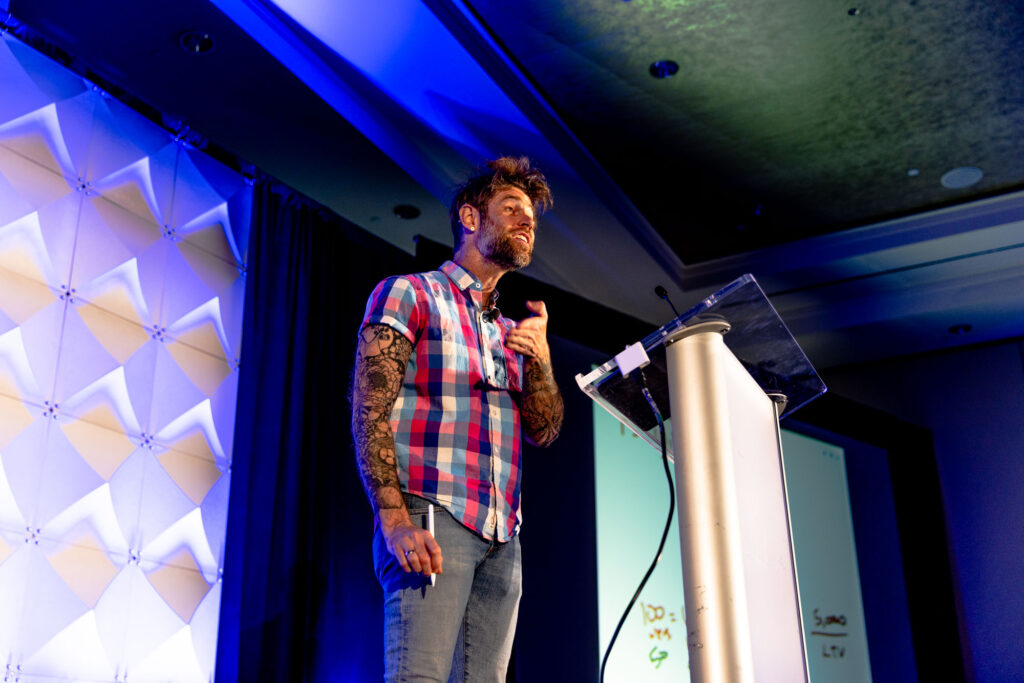
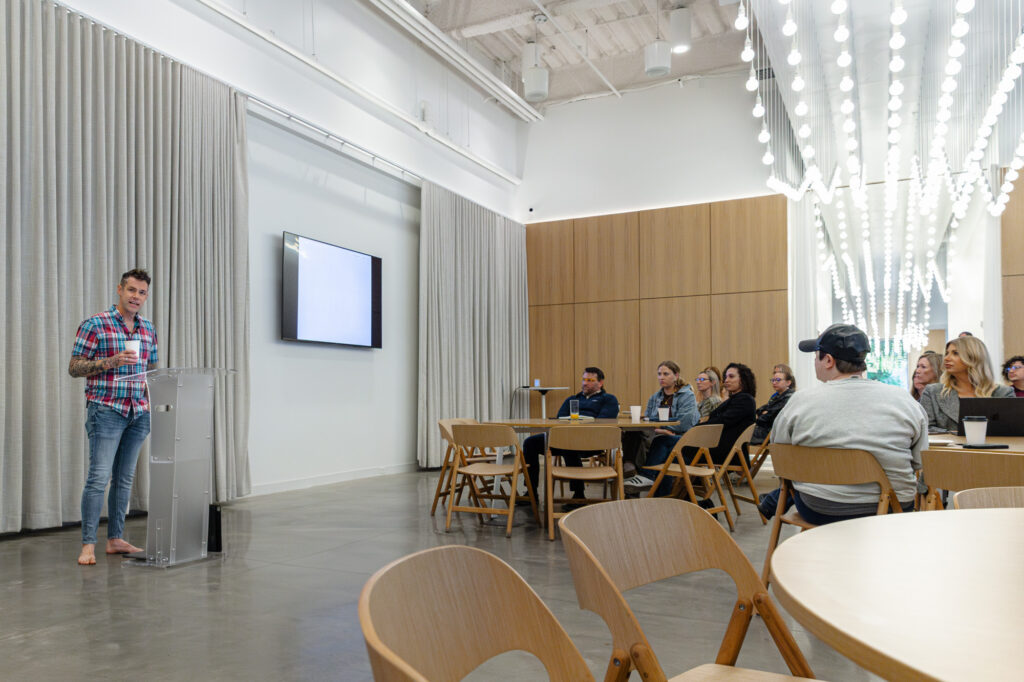
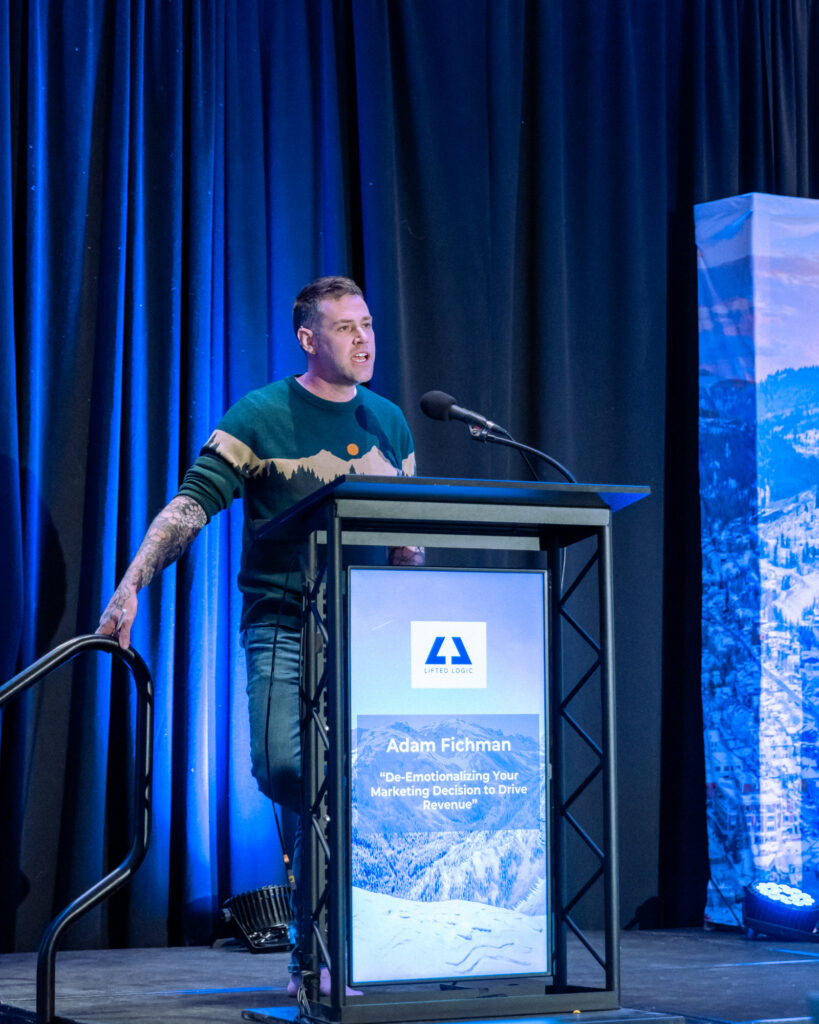
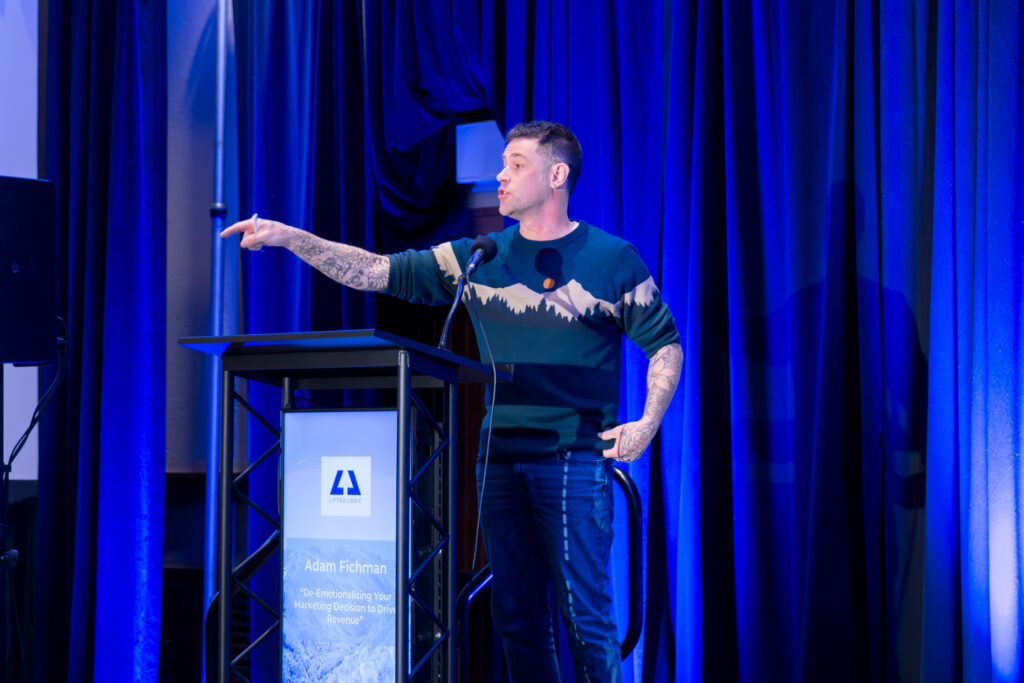
Adam Fichman is known for helping teams de-emotionalize and make hard calls. He brings practical structure to moments most leaders avoid.


Founder
Entrepreneur
Educator
CEO
Consultant
Storyteller
Past Clients
Known by Major Brands All Over the World
Adam has worked with companies of all sizes and a wide range of industries, including aesthetics, automotive, retail, sports and entertainment, and manufacturing.













"Adam...he is a visionary. He's someone that brings so much value in education to all of his customers. And you know, this is one of these [consultation & web site building experiences with Lifted Logic] where it's, at the ends of the day we become more friends, than we are customers, which makes being in this industry so much fun!"
-Will Christy , Practice Manager | Beauty Culture Med Spa
I've spoke at a few events hosted by Lifted Logic and it's been an invaluable experience for all the business owners...whether they are aesthetics or any other industry. This is information nobody gives away for free! And yet here we are giving away all our trade secrets, all of our knowledge, all of the information that we have to be able to help these business owners be successful in their trades.
-Lacy Edwards , Operating Partner | Smart Skin Med Spa
"...there is not only the website but the business knowledge that you get. There is just tremendous value add from Adam and his team." We've really enjoyed working with everybody!"
-Tony & Lorie Fields , Part Owners | Regain Functional Medicine + Aesthetics
Industries Served
Arts & Culture
Automotive
Construction
Engineering
Education
Finance
Food/Beverage
HVAC
Manufacturing
Marketing
Medical
Sales
Technology
Travel/Leisure
Adam’s Story
Adam Is the Owner and Founder of Lifted Logic, a Digital Agency in
Kansas City.
As President and Creative Director, Adam helps hundreds of businesses each year to understand their value and create a meaningful, profitable digital experience.

The Cost of Re-Deciding
Nothing Drains Momentum Faster Than Redoing Work That was Already Done.
Motivation breaks down when decisions get reversed, reinterpreted, or reopened after the meeting ends. For more than 20 years, Adam Fichman has helped organizations replace that churn with clear decision rules leaders can use, measure, and reinforce.

Why Motivation Can Stall at Work
Teams hire corporate motivational speakers when work feels harder than it should. Projects take longer to finish. Decisions don’t survive review cycles. People put in effort, then watch their work get revised, delayed, or reopened.
Many speaking events deliver a temporary lift. The room engages, a few lines land, and the week moves on without a hitch. Then familiar patterns return. Priorities shift. Old conversations resurface—and it affects the people trying to do their best.
Motivation, inside a functioning organization, isn’t a feeling. It shows up when people trust that effort leads somewhere. When a decision gets made and doesn’t change three meetings later. When finished work stays finished unless new facts actually justify a change.
Adam approaches motivational speaking from that angle. After over 2 decades of working with leadership teams, he’s seen the same failures repeat: decisions keep getting revised or overridden, and people stop committing fully. Over time, teams learn to hedge instead of decide, and effort shifts from ownership to self-protection. Not because teams don’t care, but because their systems teach them not to.
His work focuses on tightening how decisions get made, clarified, and reinforced. When that structure improves, motivation follows. Not as hype, but as momentum that survives well beyond your motivational event. It’s why organizations bring in corporate motivational speakers like Adam when they need progress that holds, not energy that fades.
The Cost of Re-Deciding Everything
A team can look busy and still pay interest on yesterday’s indecision. It’s one of the most common concerns corporate motivational speakers get called in to to help with: Work keeps moving, but results don’t accumulate. Projects restart because what “done” means was never set in stone—it shifted as new reviewers weighed in, new preferences surfaced, or priorities changed.
Approvals reset for the same reason. Feedback arrives late, not to improve the work, but to reroute it. What should have been a refinement turns into a new direction, and the team absorbs the cost without ever realizing it’s slowing them down.
You can hear this pattern in the language people use. “Can you resend the context?” “Let’s revisit this.” “Quick sync?” Those phrases aren’t signs of disengagement. They’re signals that the work never had a stable definition to build upon, so every conversation has to start from square one. Over time, work slows. People hedge instead of committing. Meetings grow longer because they carry the weight of unresolved work. The cost shows up as rework, delays, and quite frustration—long before anyone calls it a motivation problem.
That cycle is what creates decision debt. Not a single bad call, but a system where decisions are provisional. The team learns that progress is temporary, effort is reversible, and nothing is final. Many corporate motivational speakers talk about energy or morale when addressing this issue. Adam focuses on why progress feels temporary in the first place.
How Teams Unknowingly Create Decision Debt
Decision debt is the hidden cost of decisions that move work forward without clear ownership, criteria, or finality. It gets introduced in routine conversations where work moves forward without the structure needed to keep it on track. This is the moment many corporate motivational speakers miss, because it doesn’t look dramatic. It looks normal.
Adam focuses here because this is where work runs into problems that don’t feel like problems in the moment. Decisions get made without clear ownership, criteria, or boundaries.
When Nobody Owns the Call
A decision without a clear owner turns into a consensus exercise. Everyone weighs in, input gets mistaken for authority, and the outcome feels temporary. The team leaves with a direction, then watches it shift the moment a new stakeholder reacts.
The fix is to give everyone a clear understanding of who owns the project. Not who contributes, not who reviews. Who makes the final call when not everyone agrees.
When “Good” Never Gets Defined
When teams skip defining what counts as acceptable work, feedback becomes subjective. One leader wants more detail. Another wants it simplified. Another reframes the goal entirely. Each pass sounds reasonable on its own. Together, they pull the work apart.
The corrective move is practical: define what “done” means before the work starts. If the team can’t state that definition plainly, revisions won’t stop. The final deadline will eventually make the decision instead.
Why More Urgency Can Create More Hangups
When leaders feel the clock tightening, urgency becomes the go-to response. More check-ins. More status updates. More parallel work “just in case.” More escalation paths because no one fully trusts that the last decision will survive contact with the next meeting. This is one of the most common patterns corporate motivational speakers are asked to address when execution starts slipping under pressure.
Urgency increases motion, but it does not guarantee progress.
When expectations are implied, teams move faster without moving forward. People execute based on assumptions, not definitive standards. (And we all know what people say about assumptions.) Then, when a new preference surfaces late, the work has to turn around. What looks like speed becomes rework, and the cost shows up after the deadline is already under pressure—especially inside fast-moving corporate or sales teams where multiple stakeholders weigh in.
This is where urgency exposes weak decision structure. When the standard for “good” is unclear—not quality in the abstract, but what actually qualifies as acceptable for this decision—disagreements stop being about the work. They become about judgment. About effort. About whether someone “should have known.” That’s the moment many organizations bring in corporate motivational speakers to reset how decisions get defined.
How Adam Designs a Motivational Keynote Around Real Work
Most corporate motivational speakers write for one day. Adam writes for the week and months after, when the same people sit back down and have to apply the standards they agreed upon.
He starts by finding the exact moment work gets expensive, like the handoffs where teams argue over what “ready” means. The approval loop where feedback arrives as a new requirement. The meeting where five people have veto power, and nobody can decide how to finish the project.
That decision constraint shapes everything: story selection, examples, and pacing. The goal isn’t to give people more to remember. It’s to give them an easy-to-understand way to name the problem while it’s happening, and questions they can use that force the room to decide instead of “circling back”.
Lifted Logic keeps him honest here. When you run an agency, rework isn’t philosophical. It impacts profit margins, timelines, client trust, and the team’s ability to work effectively. Other corporate motivational speakers can afford to stay abstract. Adam can’t, and he knows your business can’t either.




FAQs About Booking Corporate Motivational Speakers
Corporate motivational speakers typically deliver a keynote, but their value depends on what happens next. A keynote establishes shared language and decision tools quickly. Workshops build repetition through practice. Consulting supports leaders as they reinforce those tools in real work. Many organizations pair a keynote from Adam with follow-up support through his management consulting or business consulting services.
Both work, but for different reasons. An all-hands meeting gives teams the opportunity to understand shared language that leads to decisions that sound consistent. A leadership meeting works when decision rights and criteria need to be clarified at the top first, then reinforced downward. The choice depends less on audience size and more on where decisions currently break down.
Corporate motivational speakers succeed in mixed rooms when the message anchors on the decisions that slow execution across departments. Rework, approvals, handoffs, and reopening decisions affect finance, healthcare, and other industries just as much as sales or delivery. Adam frames the tools at the decision level, then demonstrates how each tool functions within different departments and industries.
The core stays the same: language and tools that leaders can repeat. Virtual sessions rely on tighter examples and direct prompts to keep attention. In-person sessions benefit from room dynamics that surface what people usually avoid saying. In both formats, corporate motivational speakers only succeed when leaders are able to reliably reuse the tools afterward.