

Sales Keynote Speakers
Standards
Over Hype
After kickoff, the work speeds up, pressure returns, and old habits creep back in. That’s where most messages fall apart.
If It Doesn’t Hold up in the Work, It Doesn’t Matter.
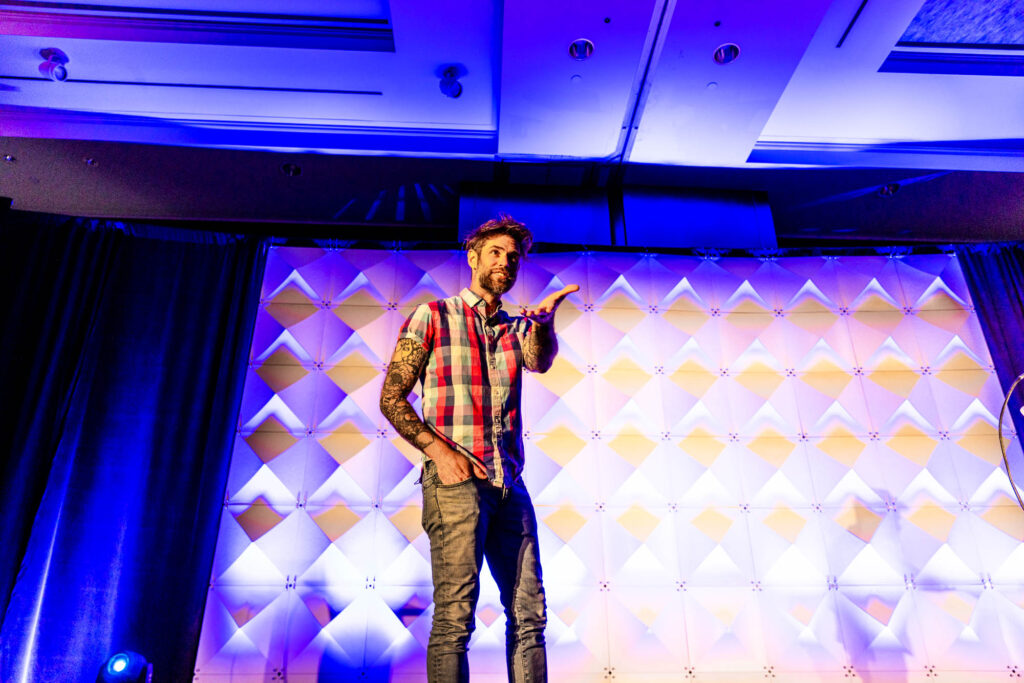
Adam Fichman helps sales organizations keep up once the real work begins. Setting clear standards that support follow-through, consistency, and better decision-making after kickoff.


Founder
Entrepreneur
Educator
CEO
Consultant
Storyteller
Past Clients
Known by Major Brands All Over the World
Adam has worked with companies of all sizes and a wide range of industries, including aesthetics, automotive, retail, sports and entertainment, and manufacturing.













"...there is not only the website but the business knowledge that you get. There is just tremendous value add from Adam and his team." We've really enjoyed working with everybody!"
-Tony & Lorie Fields , Part Owners | Regain Functional Medicine + Aesthetics
"Adam...he is a visionary. He's someone that brings so much value in education to all of his customers. And you know, this is one of these [consultation & web site building experiences with Lifted Logic] where it's, at the ends of the day we become more friends, than we are customers, which makes being in this industry so much fun!"
-Will Christy , Practice Manager | Beauty Culture Med Spa
I've spoke at a few events hosted by Lifted Logic and it's been an invaluable experience for all the business owners...whether they are aesthetics or any other industry. This is information nobody gives away for free! And yet here we are giving away all our trade secrets, all of our knowledge, all of the information that we have to be able to help these business owners be successful in their trades.
-Lacy Edwards , Operating Partner | Smart Skin Med Spa
Industries Served
Arts & Culture
Automotive
Construction
Engineering
Education
Finance
Food/Beverage
HVAC
Manufacturing
Marketing
Medical
Sales
Technology
Travel/Leisure
Adam’s Story
Adam Is the Owner and Founder of Lifted Logic, a Digital Agency in
Kansas City.
As President and Creative Director, Adam helps hundreds of businesses each year to understand their value and create a meaningful, profitable digital experience.

Not Just Another Sales Talk
Where Sales Keynotes Stop Being About Hype and Start Being About Standards.
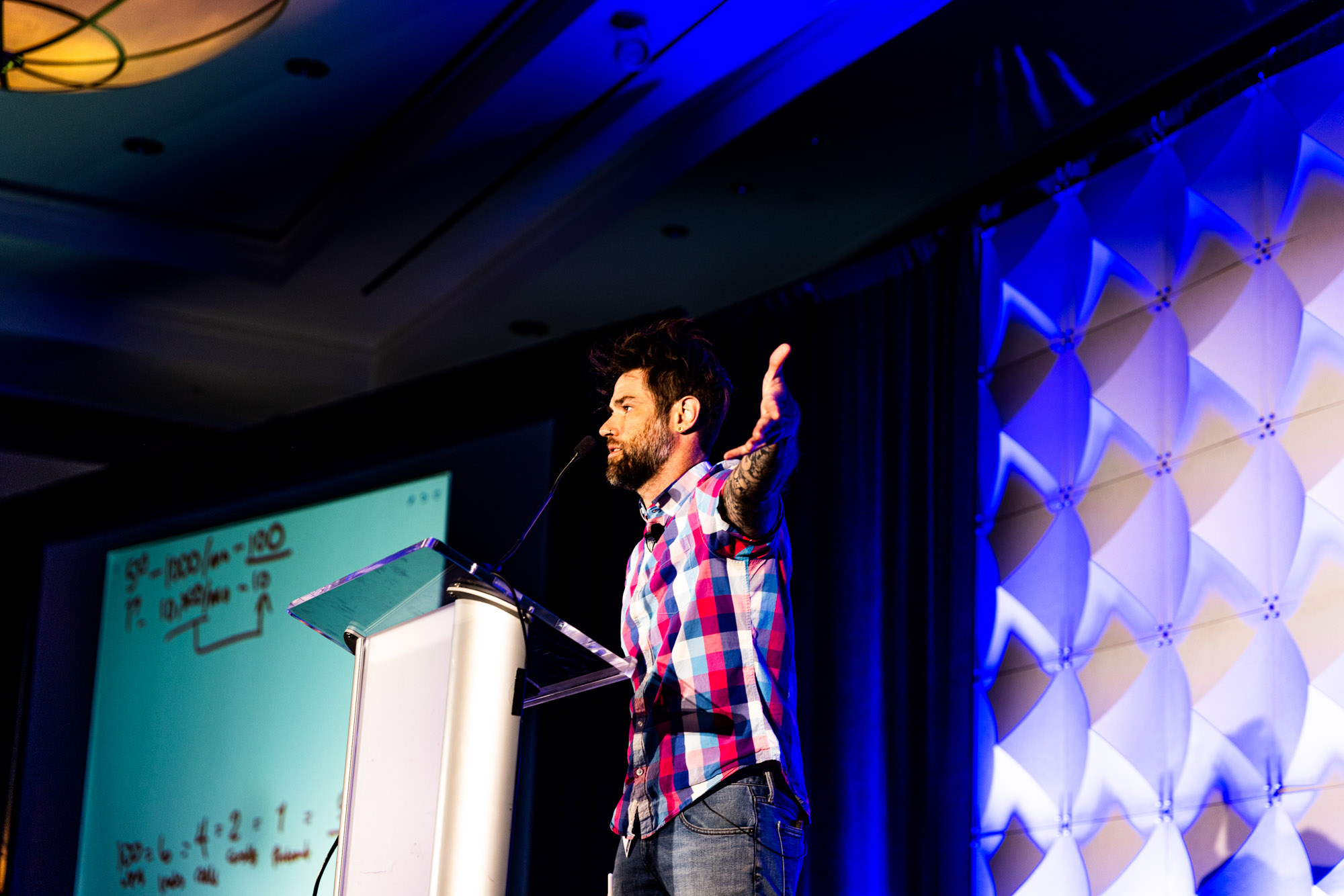
Sales kickoff season brings tight timelines, new targets, and a room that’s heard every “crush it” speech before. Bring in Adam Fichman when leaders need execution standards that the team can actually bring into the workplace.
The Events This Keynote Fits Best
When leaders search for sales keynote speakers to support their teams, they’re usually not looking for “a sales talk.” They’re trying to protect a high-stakes slot on the agenda. The fastest way to do that is to choose the right message for the right room.
Sales Kickoff (SKO)
An SKO keynote has one job: set the tone for the year without setting the team up for a reset two weeks later. That’s the difference teams notice when they compare sales keynote speakers—less “believe harder,” more “here’s what counts, here’s what doesn’t, and here’s how to tell the difference fast.” Adam crafts his sales keynotes for SKOs where leaders require a common language to withstand pipeline challenges.
Best fit: You want tighter execution and consistency across reps, managers, and regions.
Not a fit: You want a skills workshop with roleplay, drills, and certifications.
President’s Club
The President’s Club is a reward trip or recognition event for top performers. The room is full of people who already know how to sell—and they’ll tune out anything that sounds like remedial advice.
Adam’s keynote respects that. He pays attention to those high performances and helps turn that into repeatable behavior: what the best reps protected, what they stopped doing, and how they stayed sharp when the easy deals disappeared.
Best fit: You want celebration and a practical reset leaders can reinforce back at work.
Not a fit: The entire goal is entertainment with no carryover to the quarter.
Sales and Marketing Summit
These events don’t struggle because people don’t care. They struggle because work changes hands too many times and nobody agrees on what “ready” means.
The talk names the decisions that matter: what qualifies a lead, what triggers a follow-up, what makes an opportunity real, and what happens when it stalls. That’s when “alignment” stops being a word and becomes a standard.
Best fit: You need cleaner handoffs and shared definitions across teams.
Not a fit: The agenda is strictly product training, platform demos, or feature releases.
What Adam Needs Beforehand
Sales keynote speakers only hit home when it’s aimed at the reality of your audience. Adam keeps the prep light on purpose—just enough input to make the message specific, without turning planning into another project.
- Your win condition: What needs to be true when the keynote ends—cleaner pipeline reviews, better follow-up discipline, stronger manager coaching, fewer stalled deals.
- The friction your team is tired of: The stuff that keeps resurfacing: “next steps” that aren’t real, stages that mean different things on each team, handoffs that get reworked, deals that age without decisions.
- A few real numbers (whatever you have): Perfect data isn’t required. A couple of signals—speed-to-lead, stage aging, meeting-to-opportunity, close rate by segment—keep the keynote grounded.
- Anything sensitive to avoid stepping on: New comp plans, org changes, product pivots, territory shifts, a recent miss—anything that changes how the room will hear the message
That prep helps Adam give the keynote a target. The second piece is making sure it survives after the event, because if a great talk isn’t reinforced, it becomes a nice memory instead of a new standard.
The Reinforcement Plan: How to Make the Keynote Stick
A sales keynote lives or dies in the two weeks after the event. That’s when old habits try to reclaim their spot, and “good intentions” turn back into rushed calls, vague next steps, and a set of deliverables that look healthy right up until they aren’t ready to ship.
The difference between memorable and useful sales keynote speakers is reinforcement. Adam builds the keynote so leaders can apply it inside their workflows—reviews, coaching, and deal inspection—without asking the team to learn one more system.
Make it Visible in Pipeline Reviews
Reinforcement starts in the one place every sales team already visits: the pipeline. After the keynote, leaders will learn a more efficient way to run the meetings they already have—one reason experienced teams are selective about sales keynote speakers in the first place.
That shows up as simple standards people can’t hide from: what qualifies as real movement, what counts as a next step, and what has to be true before a deal earns more time. When those standards exist, “updates” turn into decisions.
Coach to a Standard, Not to Effort
Workplace coaching can break down because it’s very easy to get emotional. A manager hears a rep struggling and tries to fix it with encouragement, urgency, or a generic reminder to “follow up.”
Adam’s message gives leaders a clearer coaching target: observable behavior. The rep either secured a next step or didn’t. The opportunity either has a clear condition to move forward or it doesn’t. That shift reduces drama and makes improvement feel concrete.
Run a short 30-day check
Within a month, you should be able to see whether the keynote is showing up in the work: faster follow-ups, fewer zombie opportunities, and more conversations using shared language. If nothing changes in what leaders can observe, the team didn’t “fail.” The standard was never reinforced.
Formats, Timing, and What the Day Looks Like
Timing isn’t a checkbox. It changes what the audience can actually absorb, and what leaders can reinforce afterward. Pick the length based on the job you need the keynote to do, not the space you have left on the agenda.
30 minutes: Best for a clean reset and two standards. Tight. Focused.
45 minutes: Best default for SKOs—standards, examples, and room-level clarity without rushing.
60 minutes: Best when you want more audience interaction or a longer Q&A session.
The right choice depends on the job you hired sales keynote speakers to do: a kickoff reset, a mid-year correction, or a celebration—with bite.
In-Person vs. Virtual vs. Hybrid
In-person events are easier because Adam can feel the energy of the room and naturally add his own. You can read confusion, push when attention is high, and slow down when it isn’t.
Virtual sessions work when the message is built to hold attention without relying on the energy of the room. Shorter beats, fewer detours, and more direct language. People are one Slack notification away from disappearing.
Hybrid is the hardest format to do well because it creates two audiences. If the remote group can’t hear clearly or ask questions easily, they’ll watch quietly, and then you’ll wonder why nothing stuck.
Adam adjusts his delivery to match the format. The goal stays the same: keep the audience with him, land the standards, and send leaders back with tools they’ll actually use.




Common Questions
Most sales keynote speakers push urgency, optimism, and effort, then hope that feeling carries into the next quarter. For many teams, it doesn’t—because nothing changes in how work gets evaluated once the event ends.
Adam’s business keynote takes a different approach. Instead of trying to only raise motivation, the talk installs standards leaders can use inside the work they already do. It gives teams a shared way to judge progress.
Yes. Adam’s sales keynote works for cross-functional audiences by focusing on how work moves between teams: what qualifies as “ready,” what triggers a handoff, and what happens when momentum breaks. That keeps the conversation practical without turning the event into a turf discussion.
This is especially effective for organizations where revenue teams overlap daily and downstream surprises are expensive, whether the friction shows up in marketing handoffs or customer follow-through.
The keynote creates a shared standard, but leaders make it stick by reinforcing it in the next two weeks—when the calendar fills back up and deals start drifting again. Don’t add new meetings. Tighten the meetings you already have.
Pick one standard to protect (like next-step discipline or stage exit criteria) and one bad habit to stop (like letting stalled deals sit unchallenged). Then reinforce both inside workflow reviews and coaching so reps feel the bar consistently. Sales keynote speakers can deliver a strong message, but only leaders can make it the new normal.