
Event Speaker
Do This Right
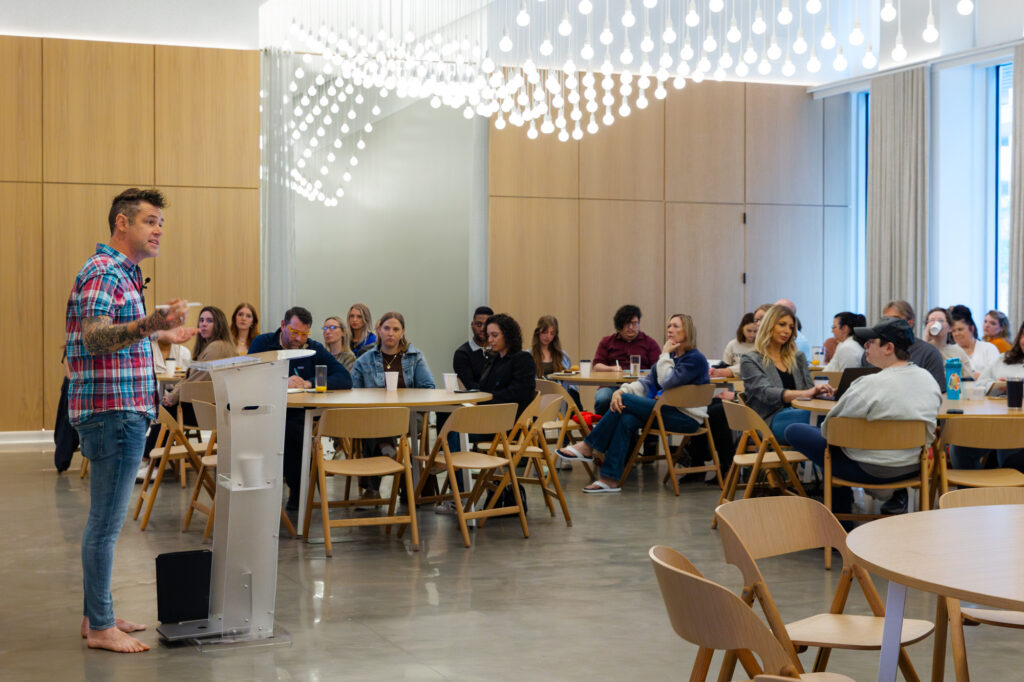
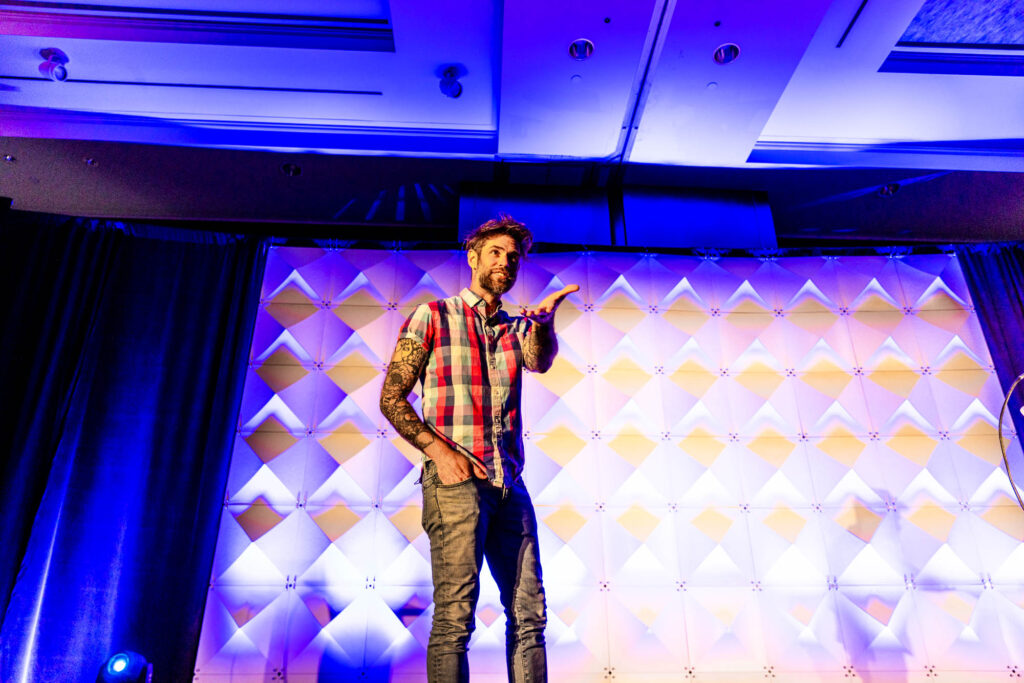
You only get one shot with a room full of decision-makers. Adam Fichman uses that time to align the audience around decisions that make sense to your teams once the pressure returns and the work actually begins.
The Test Isn’t Applause. It’s What People Do Next.
Adam’s event speaking focuses on how decisions get made, where work breaks down, and what leaders can reinforce—without turning every meeting into a debate.

Founder
Entrepreneur

Educator
CEO
Consultant
Storyteller
Past Clients
Known by Major Brands All Over the World
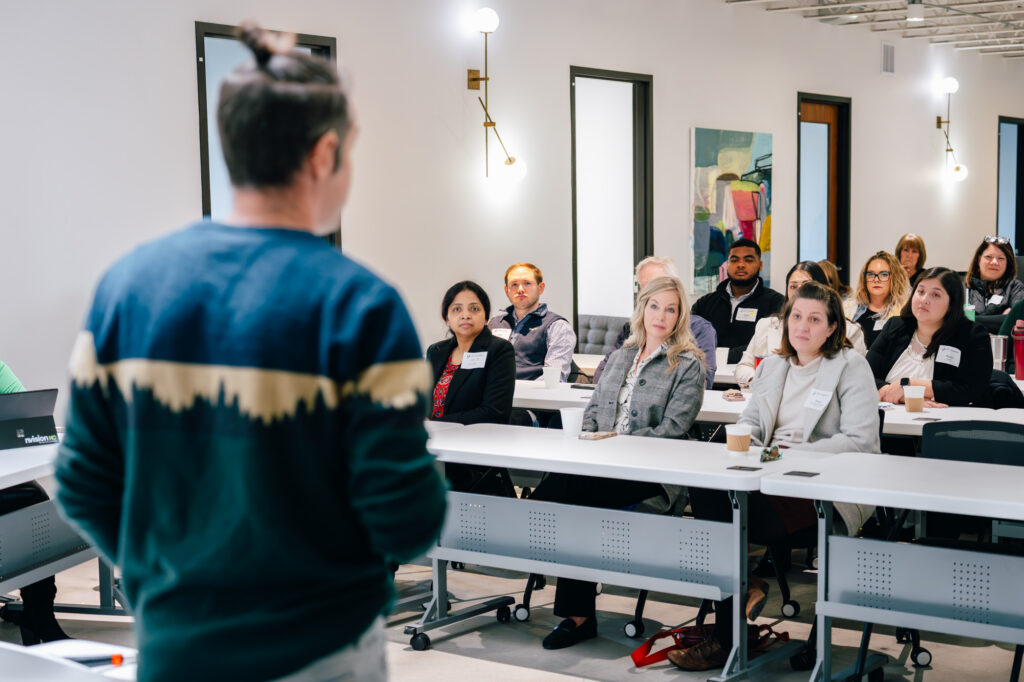
Adam has worked with companies of all sizes and a wide range of industries, including aesthetics, automotive, retail, sports and entertainment, and manufacturing.












"Adam...he is a visionary. He's someone that brings so much value in education to all of his customers. And you know, this is one of these [consultation & web site building experiences with Lifted Logic] where it's, at the ends of the day we become more friends, than we are customers, which makes being in this industry so much fun!"
-Will Christy , Practice Manager | Beauty Culture Med Spa
I've spoke at a few events hosted by Lifted Logic and it's been an invaluable experience for all the business owners...whether they are aesthetics or any other industry. This is information nobody gives away for free! And yet here we are giving away all our trade secrets, all of our knowledge, all of the information that we have to be able to help these business owners be successful in their trades.
-Lacy Edwards , Operating Partner | Smart Skin Med Spa
"...there is not only the website but the business knowledge that you get. There is just tremendous value add from Adam and his team." We've really enjoyed working with everybody!"
-Tony & Lorie Fields , Part Owners | Regain Functional Medicine + Aesthetics
Industries Served
Arts & Culture
Automotive
Construction
Engineering
Education
Finance
Food/Beverage
HVAC
Manufacturing
Marketing
Medical
Sales
Technology
Travel/Leisure
Adam’s Story
Adam Is the Owner and Founder of Lifted Logic, a Digital Agency in
Kansas City.
As President and Creative Director, Adam helps hundreds of businesses each year to understand their value and create a meaningful, profitable digital experience.

Use this Moment
This is the Time to Shape How People Think Before Pressure Sets the Rules.
Adam Fichman approaches event speaking the way he approaches business problems: name what’s actually happening, simplify what matters, and leave teams with ideas they can apply once the work speeds up again.
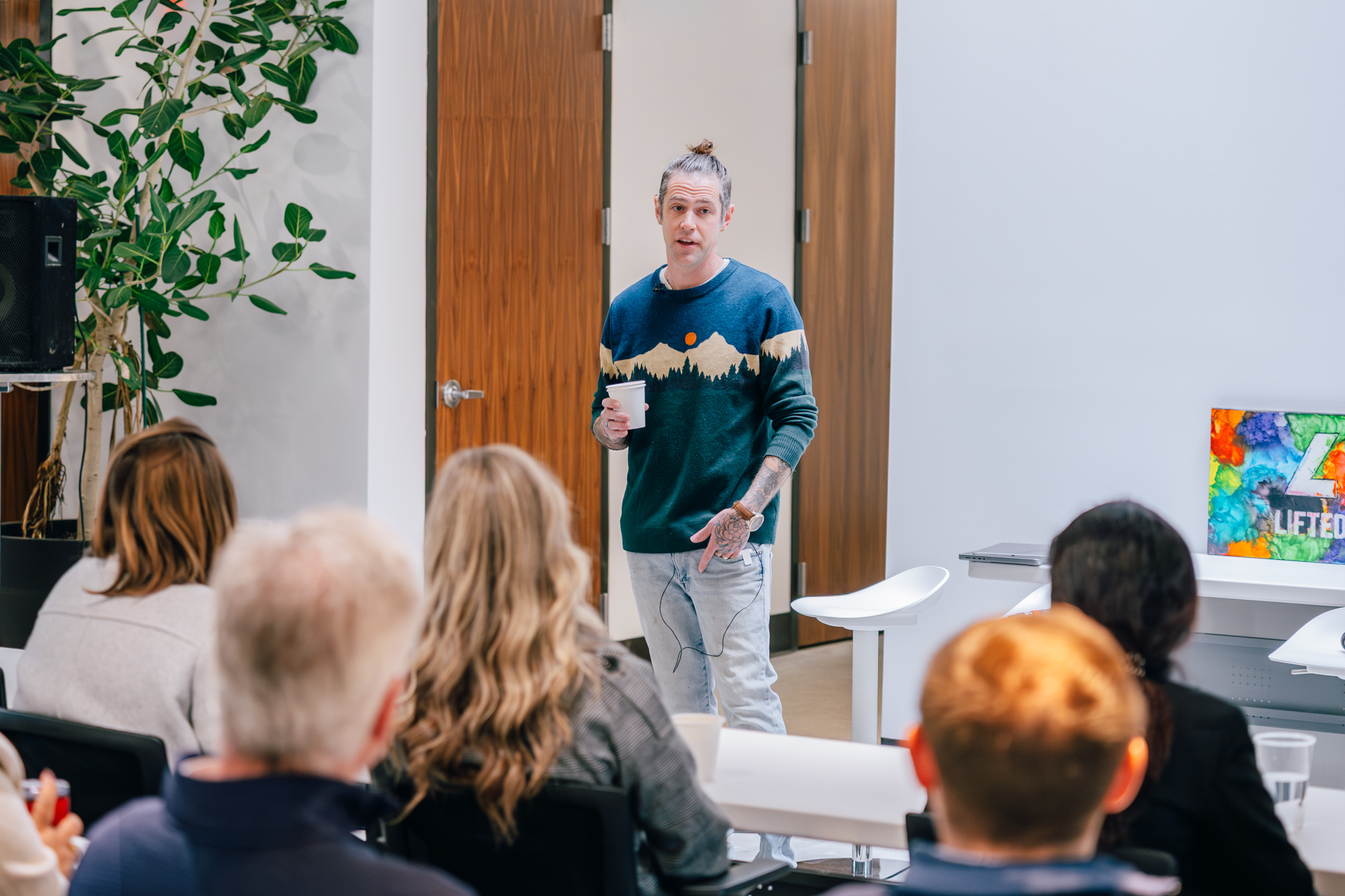
What You’re Getting When You Hire an Event Speaker
Leaders don’t plan events casually. They plan them because something needs to move. Things like direction, expectations, focus, confidence, and more. The keynote matters because it sits at the point where attention is highest and interpretation begins.
Adam approaches event speaking as a working session for the audience. Not a performance, and not a pep talk. The goal is to give the audience a clearer way to think about what they’re already responsible for.
That means the talk has to accomplish three things, in order:
- Earn the audience’s trust by naming the reality they recognize
- Introduce language people can reuse in meetings, reviews, and decisions
- Shift how choices get made after the event
How those outcomes show up depends on the type of audience. For leaders, they change how decisions get framed under pressure. For corporate events, they show up as priorities that don’t drift a week later. For conferences, they show up when attendees can translate big ideas into next actions without forcing a fit.
Adam’s range and 20+ years of experience is what makes these changes possible. He can speak to the needs of leadership without going too abstract, to sales teams without turning the session into a training, and to marketing without hiding behind buzzwords. That’s what effective event speaking looks like when it’s done right.
How to Choose an Event Speaker
If you want a simple way to evaluate an event speaker before you commit, don’t start with the demo reel. Start with what you can test in a short conversation.
Ask how they open—before you ask what they teach.
A great event speaker can start with your reality, not their biography. If the first few minutes sound like they could be delivered to any audience in any city, you already have your answer.
Ask what they need from you to aim the talk.
If an event speaker needs nothing, you’re buying a pre-built message. If they need 6 weeks of interviews, you’re asking them to write a case study. Look for the middle: a small amount of context that changes the talk without taking over your calendar.
Ask how they handle a skeptical room.
Some audiences arrive tired, defensive, or over it. Adam doesn’t punish that mood or try to overpower it. He acknowledges what’s true and moves the room forward without begging for participation.
Ask what they require on-site.
This is where a lot of keynotes quietly fall apart. If the event speaker needs a complicated stage setup to succeed, you’re taking on unnecessary risk. The best talks work with the room you have, not the room you wish you had.
Ask what success looks like one week later.
Not “impact.” Not “energy.” One observable change you can notice in meetings, reviews, or decisions. An event speaker who can answer that directly usually understands what their job actually is.
If their answers are grounded, you’ll feel it. If their answers sound like a performance, you’ll feel that too.
Matching the Message to the Moment
Effective event speaking isn’t about changing who you are for every room. It’s about understanding what the people in the room are there to solve, and meeting them there without diluting the message.
Adam keeps the core approach consistent. What changes is where the emphasis lands, based on what the event is meant to accomplish.
Leadership Events
Leadership gatherings tend to stall when decisions are discussed at length but never clearly defined. Adam focuses on how leaders decide what matters, how priorities survive competing demands, and why unresolved questions keep resurfacing in different forms. The value of an event speaker shows up later, when leaders share a clearer definition of “done” instead of reopening the same debate over and over again.
Corporate Events and All-Hands
Company-wide events succeed or fail on translation. If the message shifts as it moves from leadership to managers to teams, it creates confusion instead of clarity. Adam’s approach gives leaders and managers shared definitions they can repeat without reinterpretation. That way, the message travels intact instead of mutating along the way.
Conferences and Association Events
Conference rooms are full of capable people from different environments, all filtering ideas through their own constraints. Adam earns the respect of his audience by starting with patterns they recognize—tradeoffs, pressure, imperfect information. Then, he offers a model that can be applied to different contexts without losing its point.
Cross-Functional Events
Mixed audiences break down when conversations slide into competing viewpoints instead of decision-making. Adam keeps the focus on how work actually moves across teams, where expectations drift, and why friction shows up late instead of early. That framing lets different teams with different functions stay in the same conversation without defending their turf.
What Stays With the Team
A keynote can be engaging and still fade fast. The real test isn’t the reaction in the room—it’s what changes once people are back inside real meetings, meeting real deadlines, and are under real pressure.
Adam’s work as an event speaker is built for longevity. His sessions leave teams with a more organized way to think about decisions and a shared way to describe what actually matters, especially when priorities start competing again. This is important because most organizations don’t struggle from lack of effort. They struggle because expectations are fuzzy and standards shift depending on who’s in the room.
Here’s what teams typically notice after an Adam keynote:
- Leaders stop rewarding motion for its own sake and start rewarding proof. Updates sound less like narratives and more like decisions backed by evidence. Meetings move faster because fewer conversations spiral into re-litigation.
- Managers leave with practical decision prompts they can use immediately—in one-on-ones, project reviews, and leadership check-ins. Instead of guessing how hard to push or when to wait, they have a steadier way to assess progress and name what needs to happen next.
- Teams become more direct in the moments that matter. Not blunt. Not combative. Direct in a way that saves time and prevents rework. Expectations get surfaced earlier, which means fewer late surprises and fewer awkward resets.
That’s why organizations bring in an event speaker in the first place. Not to manufacture emotion, but to create forward movement that holds up after the event. If the organization wants to extend that work beyond the stage—especially for internal execution—Adam can reinforce the same standards through business consulting or management consulting, without turning the keynote into a program launch.
The Ideas Adam Comes Back To
Adam focuses on patterns that show up again and again inside real organizations; those patterns don’t change just because the industry does. These are the ideas he returns to most often, not because they’re flashy, but because they travel well across business, tech, healthcare, and finance environments without losing relevance.
De-emotionalize decisions
Teams can get stuck because they don’t agree on how a decision gets made. Adam helps rooms move conversations away from personal preference and toward shared criteria—what evidence matters, what tradeoffs are acceptable, and what actually decides the outcome.
Finding the limiter
Growth stalls when one constraint controls the whole system. Adam is known for helping teams stop spreading effort everywhere and start isolating the real bottleneck. Different industries experience that bottleneck in different places—capacity, bandwidth, approvals, compliance, handoffs—but the mechanism stays the same.
Put a number on “worth it”
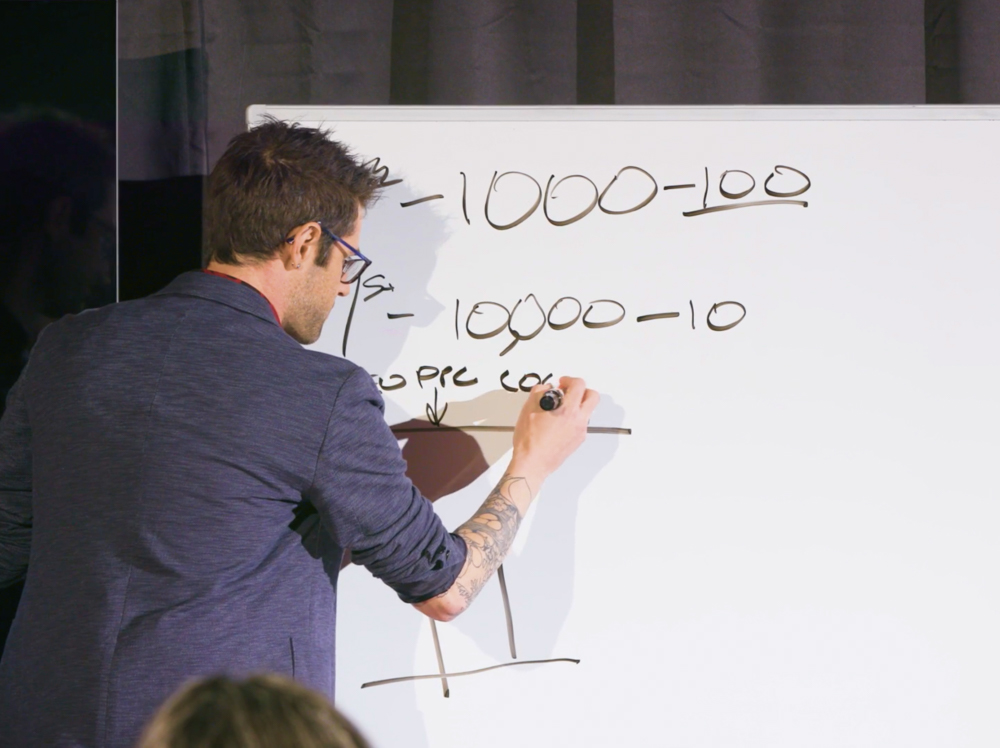
Adam’s TEDx talk, How Much Are You Worth on the Internet?, is built on a simple idea: if you can’t put a number on something, it can’t guide decisions.
When you can quantify what you value, even if imperfectly, conversations will speed up, and outcomes will not depend on personal influence or opinion. If you need an event speaker who can connect these ideas to your business, that’s where Adam’s prep matters. He doesn’t force your organization into his stories. He uses stories to illuminate what your team is already dealing with.
How Adam Builds an Event Keynote Without Making Planning Hard
Event teams usually get stuck between two bad options: an event speaker who shows up with a generic message that could work anywhere, or one who turns preparation into a drawn-out discovery process that creates more stress than clarity.
Adam’s approach sits deliberately in a world far away from these two extremes. He keeps the keynote specific to the audience without turning planning into another project that competes for attention.
Before the event, Adam asks for a small amount of context that keeps the talk grounded in reality. He wants to understand why the event exists, what the team needs to do differently afterward, and where things tend to break down once people are back at work. That context helps him avoid obvious landmines and shape examples that feel familiar instead of theoretical.
Typically, that means a short conversation about what the event is meant to move forward, the friction people quietly complain about, and a few real signals—metrics, patterns, or decisions—that reflect how the organization actually operates. If there’s sensitive context in play, Adam would rather know it upfront so the audience stays with him instead of shutting down.
That preparation allows Adam to do what a great event speaker should do: arrive ready, respect the agenda, and deliver a keynote that feels intentional without being over-engineered. Planning stays focused. The message stays aimed. And the event team doesn’t get dragged into unnecessary complexity.
Industries Served … Without Sounding Like a Rolodex
Adam’s work as an event speaker spans a wide range of industries, but the point isn’t exposure—it’s fluency. He doesn’t walk on stage sounding like a visitor. He sounds like someone who understands how pressure actually shows up in the room.
Across industries, the surface details change. The decision patterns don’t.
- Leadership
- Corporate
- Business
- Sales
- Tech
- Marketing
- Customer Service
- Healthcare
- Finance
The common thread isn’t industry knowledge for its own sake. It’s the ability to speak in a way that fits the room without diluting the message. That’s what allows an event speaker to unify mixed audiences instead of fragmenting them.
Once that fit is clear, the next decision becomes practical: what format best serves the job this session needs to do.
Matching the Session to the Job
Most event organizers build event schedules backward. A time slot opens up, and then someone asks what or who can fit inside it. Powerful events work the other way around. They decide what needs to happen, then choose the format that supports it.
Adam helps event teams think about format as a tool, not a label. The question isn’t “What does he offer?” It’s “What does this part of the agenda need to do?”
Here’s how different formats tend to function when the goal is clarity, not just coverage.
Keynote
A keynote works when the room needs a shared frame of reference. This format is about alignment—getting everyone to interpret priorities, tradeoffs, and expectations the same way. It’s especially effective at the start or end of an event, when the message needs to travel beyond the room.
Keynote with Q&A
This format adds pressure-testing. It works well when the audience already understands the stakes and wants to challenge assumptions in real time. The Q&A isn’t about the volume of questions; it’s about surfacing what holds up once people push on the ideas.
Breakout Session
Breakouts change the dynamic. They slow the conversation down and make space for specificity. This format works when the audience is smaller, more homogenous, and ready to apply the message to real situations without turning the session into training.
Workshop-Style Session
They’re useful when the owners of the event expect people to engage directly with decisions, priorities, or tradeoffs while everyone is still in the room. This format only works when the audience is ready to do the work—not just talk about it.
Other Event Types
You can also book Adam for fireside chats, panels, and moderated conversations when the discussion itself is the point. In every case, the standard stays the same: the content has to be usable, and the language has to survive once the event moves on.
Virtual and hybrid formats add another layer of consideration. Virtual sessions demand a tighter focus because attention has more exits. Hybrid sessions require discipline, so remote attendees don’t feel like observers instead of participants. Adam adjusts the structure and pacing so the format supports the goal, not the other way around.
Working With Adam: What Event Teams Appreciate
A lot of event speaker stress has nothing to do with the stage. It’s run-of-show pressure: stakeholders, timing, AV, and the reality that one weird transition can hijack the whole event.
Adam is easy to work with because he treats the planning process like an event team treats the agenda: he respects the constraints, doesn’t add drama, and doesn’t create extra dependencies. He communicates quickly, asks for only what he needs, and and keeps his focus on the overall goal of his talk.
As an event speaker, Adam doesn’t show up trying to impress the room. He shows up prepared to engage with the reality the audience is facing. He asks direct questions, uses humor as a pressure release, and keeps the focus on decisions and standards instead of just “more energy.”
On the practical side, he coordinates on the things that actually protect the moment: run-of-show timing, slide needs (if any), audio setup, how Q&A will run, and how to keep transitions clean. No overbuilt requirements. No stage circus. Just a setup that helps the message land.
And if there’s sensitive context—org changes, a recent miss, a leadership shift—Adam would rather know early. Not to tiptoe. To handle it like a professional event keynote speaker: acknowledge what’s real, avoid the obvious pitfalls, and keep the room moving forward.
Make the Slot Count
If you’re looking for an event speaker to “bring energy,” you’ll find plenty of people who can raise the volume for an hour. If you’re looking for an event speaker who respects the room, earns trust fast, and leaves people thinking differently once the event is over, that’s Adam Fichman. His talks don’t rely on hype to feel memorable. They rely on truths the audience recognizes and ideas they can use when real work resumes.



FAQs About Booking an Event Speaker
Start with the job of the session. Is it meant to unify the room, reset expectations, introduce a new direction, or close with something people can carry forward? A strong event speaker earns trust quickly, speaks in language your audience uses, and leaves behind something repeatable. Adam’s approach fits best when you want more than a “great hour” and you care about what happens after the event.
Yes, because the talk doesn’t depend on industry trivia. It depends on patterns that show up everywhere: how teams decide, how work breaks down, where effort gets wasted, and what leaders reinforce. Adam adapts examples and language to your audience—whether that’s healthcare, tech, finance, or a mixed room—without turning the keynote into a canned “universal message.”
An event speaker changes the conversation in the room. Adam’s consulting services provide additional support after the room clears and teams get back to work. Many teams book Adam as an event speaker first, then extend the work when they want deeper reinforcement. If the event is meant to start a shift—new standards, new expectations, cleaner decision rules—consulting can help leaders make it stick without relying on memory or good intentions.
Adam designs the message so it lands at multiple altitudes. Leaders hear decision and priority standards. Managers hear what to reinforce in meetings and reviews. Teams hear what “good” looks like without needing a new program. The goal isn’t to please every group with separate talking points—it’s to give the room a shared frame of reference so the message travels cleanly after the event.
Simple, direct, and fast. You share the basics: event type, audience mix, format, timing, and what you want this event to accomplish. Adam will tell you plainly whether he’s the right event speaker for that moment. If it’s a fit, the next step is a short prep conversation to gather the context that shapes the message.