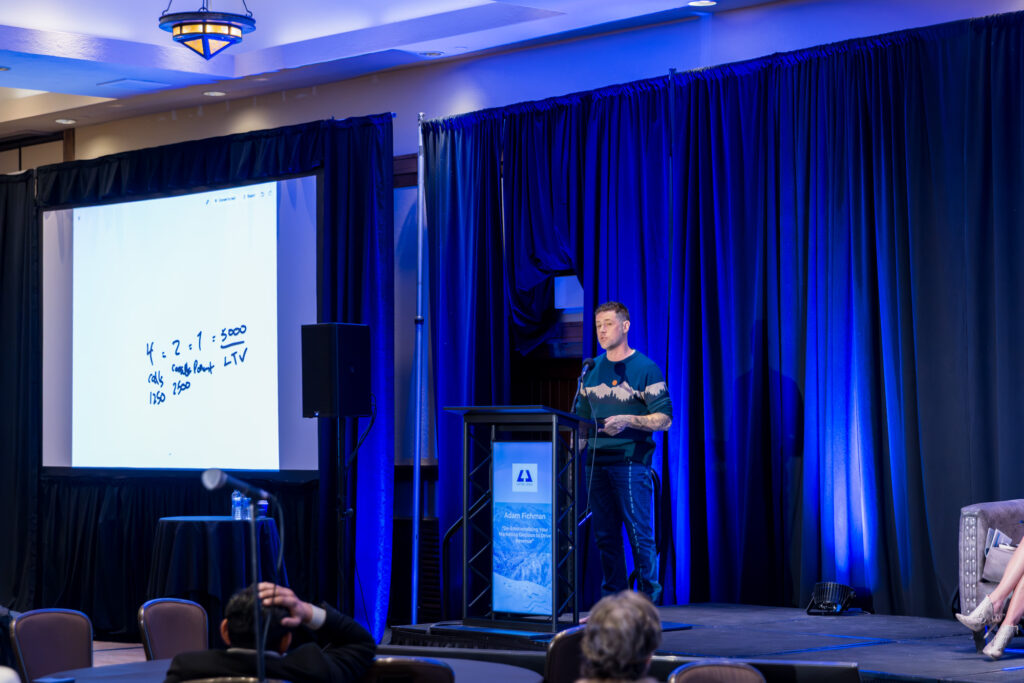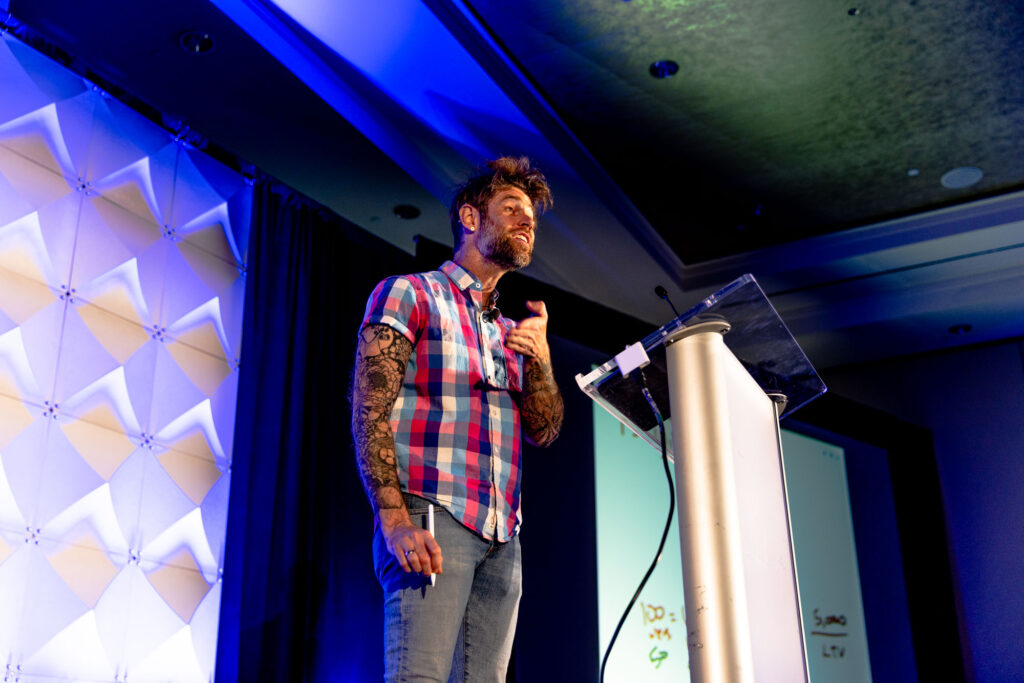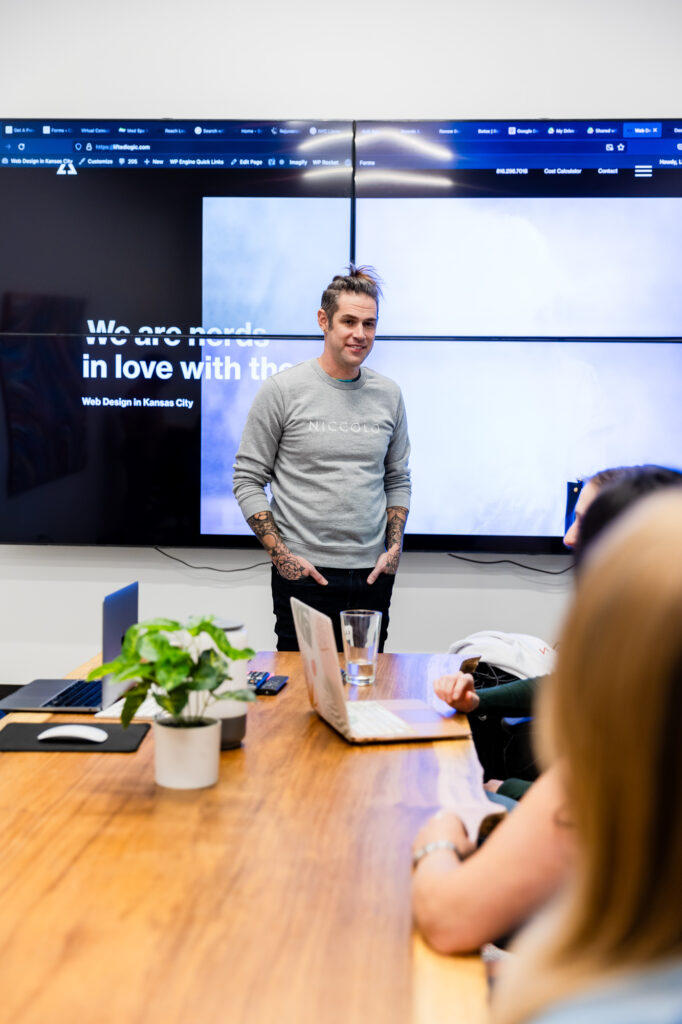




Humorous Motivational Speakers
Professional Doesn’t Have to Mean Boring
Motivation that sticks, lessons you’ll remember, and laughter that makes even the hardest conversations feel approachable and human.
The Motivation Question
Is Your Team Tuning Out You Out?
If you’ve ever looked out at a room full of professionals and thought, “They’re physically here, but spiritually… they left 10 minutes ago,” you’re not alone.
Most corporate keynotes fail for one simple reason: they talk at people instead of connecting with them.
Your team doesn’t need:
- Another generic keynote
- Another motivational quote slapped on a stock photo
- Another speaker telling them to “embrace change” without acknowledging how exhausting change can be
They need something that feels real and relatable. Something that makes them think, “Oh wow, that’s us.”
That’s where humorous motivational speakers often come in: for employers looking for anything to get their teams engaged again.
I’m not just here to be a funny or inspirational speaker; I’m here to leave people better than I found them. Teams don’t stagnate because they don’t want to work; they stagnate because they don’t know where they need to improve.
Adam’s Backstory
Why I Do Things a Little Differently
Let’s clear something up early: I’m not trying to be a comedian, and I’m not even trying to be in a line-up of famous humorous motivational speakers either.
If you’re looking for punchlines every 12 seconds and a Netflix special, I will disappoint you deeply—and quickly. What I am interested in is helping teams actually change how they think, communicate, and show up at work.
Humor just happens to be the fastest way I know how to do that.
I use humor in my keynotes:
- To lower defenses
- To keep attention
- To make uncomfortable truths easier to hear
The person you see onstage is a human being, not a corporate mannequin. No pacing. No shouting. No “How we doing today?!” energy fishing. Just real conversation, real stories, and yes—real laughter.
Why does it matter? Because people learn better when they’re relaxed, not bracing for impact or cringing at a “humorous motivational speaker” trying too hard.
Where Humor Comes In
Using Humor to Motivate Change and Inspire
Here’s the thing about change: everyone says they want it… until it requires them to do something differently.
That’s where humor becomes powerful.
Humor allows us to:
- Call out patterns without blaming
- Address resistance without shame
- Laugh at ourselves without avoiding responsibility
Instead of saying, “Your communication needs improvement,” humor lets us explore why your emails turn into novels, meetings turn into marathons, and Slack messages create more confusion than clarity.
The laugh opens the door. The lesson walks through it.
Why Teams Need Change
Doing the Same Things Gets You the Same Results
If your engagement strategy hasn’t changed in years, your results probably haven’t either.
Same speaker.
Same message.
Same polite applause.
Maybe that’s why you’re online looking for humorous motivational speakers. You’re looking for someone who feels relatable, credible, and refreshingly human.
That’s the space I work in as a corporate speaker.
My approach is grounded in experience. I use humor and real-world stories of failure and adaptation to make hard topics approachable. Teams leave laughing, yes—but they also leave thinking critically about how to improve, communicate better, and tackle challenges with renewed clarity.
Repeating the same old formulas might feel safe, but safe doesn’t inspire change. Growth happens when someone challenges the status quo in a way that’s engaging, human, and actionable. That’s what I bring to every session: a combination of honesty, insight, and just enough humor to make the lessons stick.
Because when you do the same things, you get the same results. When you change your approach—even just a little—you give your team permission to do the same. And that’s how engagement turns into better performance.
Using Fun to Inspire
We’re All Human, and We Could All Use a Laugh
One of my favorite exercises that we do with our clients at Lifted Logic involves Legos. Yes, the building blocks you probably played with as a kid and possibly stepped on as a parent. What can corporate professionals learn from a children’s toy? A lot, it turns out.
The beauty of Legos is that they’re simple, tangible, and universally understood. We use them to help teams realize the impact of communication gaps in the production processes. Each participant is tasked with building part of a structure, following a set of rules that simulate real-life workflow challenges. Some instructions are clear, some are intentionally vague, and some team members have to pass along critical information to others—exactly like the way projects actually run in most organizations.
The results are always enlightening. Teams see firsthand how miscommunication slows progress, how unclear roles create bottlenecks, and how even small inefficiencies can cascade into major delays. And because the exercise is interactive—and yes, a little silly—people remember the lessons long after the workshop ends.
Using Laughter to Foster Connection
Beyond the process insights, there’s another benefit: laughter creates connection. When professionals take a moment to play, to make mistakes, and to laugh at themselves, hierarchy melts away, stress drops, and openness skyrockets. Suddenly, teams are collaborating, problem-solving, and sharing ideas in a way that rarely happens in a normal meeting.
This combination of play, humor, and reflection is exactly why exercises like this are so powerful. They don’t just teach lessons—they embed them in memory, using fun as the delivery mechanism. And in doing so, teams walk away not only smarter but also energized, aligned, and ready to apply those lessons in real-work scenarios.
In my years as a business speaker and consultant, I’ve repeatedly found that the most effective growth happens when people feel safe, engaged, and willing to experiment—even if it means building a Lego tower in a conference room. It’s a small reminder that we’re all human, we all make mistakes, and sometimes the best way to learn is to laugh while we build together.