business consulting
Designing Real Strategy
Through disciplined business consulting, Adam Fichman helps organizations replace reactive growth with structured, defensible strategy that performs.
More Than Ideas
Business consulting should move beyond brainstorming and theory. Real strategy requires structure, measurable standards, and disciplined follow-through. Adam Fichman helps organizations refine priorities, eliminate inefficiencies, and build execution frameworks that transform direction into performance, ensuring growth is intentional, sustainable, and grounded in operational clarity.
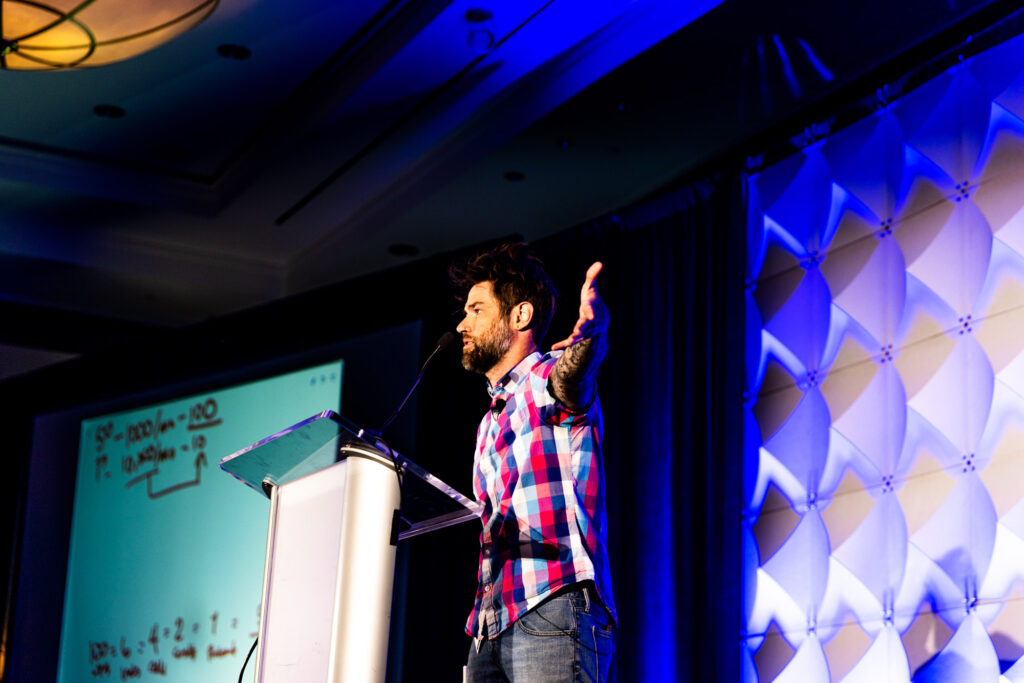

Problem-Solver
CEO

Educator
Founder
Mentor
Entrepreneur
past clients
Known by Major Brands All Over the World
Adam Fichman’s business consulting perspective has influenced leaders across industries and organizational sizes. From national brands to growth-stage companies, executives trust his ability to challenge assumptions, refine strategic direction, and strengthen the systems that support long-term performance.












Built For Results
Strategic Clarity
Growth slows when priorities compete. Adam’s business consulting helps organizations define what matters most, eliminate distraction, and align leadership around measurable objectives. When strategy becomes clear and intentional, teams execute with confidence instead of hesitation.
Operational Focus
Even strong plans fail without execution discipline. Adam helps leaders translate strategic direction into defined initiatives, accountable ownership, and performance tracking systems. Business consulting should convert ideas into repeatable processes that produce consistent outcomes.
Performance Visibility
If results are not visible, they cannot be improved. Adam introduces measurable benchmarks that connect strategy to revenue, efficiency, and organizational health. With business consulting grounded in real metrics, leaders gain transparency into what drives growth and what requires adjustment.
Areas of Expertise
Growth Strategy
Adam’s business consulting helps organizations design growth plans rooted in measurable performance, not optimism. He works with leadership teams to clarify priorities, define targets, and ensure expansion aligns with financial discipline.
- Revenue modeling and acquisition strategy aligned with insights from his management consulting engagements
- Market positioning and competitive differentiation frameworks
- Strategic planning workshops connected to his leadership keynote speaker programs
Operational Execution
Strategy fails without disciplined execution. Adam strengthens the systems that turn direction into daily action, reinforcing accountability across teams and departments.
- Performance tracking systems that integrate with broader business consulting frameworks
- Cross-functional alignment processes introduced through corporate workshops
- Initiative prioritization and implementation roadmaps
Performance Optimization
Sustained growth requires constant refinement. Adam evaluates performance visibility, resource allocation, and internal efficiency to ensure strategy produces results.
- Marketing performance analysis that complements his marketing keynote speaker insights
- Cost-efficiency reviews and margin protection strategy
- Executive scorecards that reinforce structured decision-making
Sustaining True Growth
Structure. Discipline. Execution.
At first glance, many organizations believe strategy is about vision. However, vision without structure produces inconsistency. Although ambition drives momentum, it rarely sustains performance on its own.
Business consulting should clarify how strategy functions under pressure. Instead of focusing solely on goals, Adam Fichman evaluates how decisions translate into execution. He examines where priorities conflict, where accountability weakens, and where performance lacks visibility. As a result, leaders gain more than direction. They gain operational confidence.
Moreover, real strategy must withstand complexity. As organizations grow, informal systems break down. Therefore, sustainable growth begins with intentional design.
Growth Without Structure Creates Friction
Growth often feels positive. Yet without disciplined systems, expansion creates strain. Teams add initiatives. Leaders expand budgets. Departments increase output. Meanwhile, coordination weakens.
For this reason, business consulting must address structural alignment before scaling continues. Adam works with organizations to define priorities clearly and reinforce execution pathways. Consequently, teams move with greater clarity and less internal resistance.
In contrast, reactive growth compounds inefficiency. By stabilizing foundations first, organizations reduce friction before it spreads.
Strategy Must Be Measurable to Be Meaningful
Although many leaders discuss strategy confidently, fewer can measure it precisely. Without defined performance benchmarks, evaluation becomes subjective. As a result, departments interpret success differently.
Business consulting introduces measurable criteria. Adam helps leadership teams connect objectives to quantifiable outcomes. For example, acquisition costs, margin expectations, initiative timelines, and resource allocation thresholds become visible. Therefore, strategic discussions shift from opinion to evidence.
When performance becomes measurable, accountability strengthens naturally.
Clarity Precedes Execution
Before teams can execute effectively, they must understand priorities fully. However, organizations frequently operate with competing objectives. Sales pursues volume, marketing pursues visibility, and operations pursues efficiency.
Therefore, business consulting reinforces alignment. Adam works with executives to unify strategic direction across departments. By establishing shared performance standards, leadership eliminates ambiguity.
As clarity increases, execution accelerates. In turn, productivity improves because teams no longer debate expectations.
Designing Strategy Means Eliminating Noise
Modern organizations face constant distraction. New trends emerge. Competitors adjust positioning. Market conditions fluctuate.
Nevertheless, not every opportunity deserves pursuit.
Business consulting requires disciplined filtering. Adam challenges leadership to evaluate initiatives against measurable criteria before committing resources. Instead of reacting impulsively, organizations adopt structured evaluation systems.
Consequently, strategy becomes selective rather than scattered. Focus replaces noise.
Leadership Accountability Drives Strategic Success
Even the strongest strategic plans fail without leadership accountability. If executives avoid difficult performance conversations, inconsistency spreads. Similarly, when decision authority remains unclear, hesitation increases.
Therefore, business consulting must reinforce leadership behavior. Adam guides executives in defining ownership, escalation protocols, and review cadence. Through structured oversight, leaders model the standards they expect from their teams.
As a result, culture aligns with strategy rather than drifting from it.
Operational Discipline Converts Plans Into Results
Strategy without execution produces frustration. While ideas may sound compelling, they must translate into daily action.
Business consulting bridges that gap. Adam helps organizations develop implementation frameworks, clarify timelines, and assign measurable ownership to initiatives. Moreover, he reinforces structured reporting to ensure progress remains visible.
When operational discipline strengthens, strategic momentum stabilizes.
Performance Visibility Protects Growth
Without visibility, leadership operates reactively. Metrics may exist, yet if they fail to inform decisions, they provide limited value.
Accordingly, business consulting strengthens performance reporting. Adam evaluates dashboards, review processes, and executive scorecards to ensure they reflect strategic priorities. By simplifying measurement systems, he increases transparency.
Therefore, leaders make informed adjustments quickly rather than discovering issues too late.
Strategic Alignment Reduces Internal Competition
When departments compete for attention instead of collaborating, execution slows. Frequently, this occurs because incentives differ across teams.
Business consulting addresses these inconsistencies directly. Adam examines how performance goals intersect and where alignment falters. Subsequently, leadership adjusts evaluation frameworks to encourage cooperation.
In this way, strategy becomes collective rather than isolated.
Long-Term Strategy Requires Financial Discipline
Although creativity fuels innovation, financial discipline protects sustainability. Expansion without margin awareness introduces risk.
Thus, business consulting integrates performance thresholds into strategic planning. Adam reinforces acquisition cost standards, efficiency targets, and profitability benchmarks within broader growth initiatives. Because financial visibility anchors ambition, leaders expand responsibly.
Balanced strategy always considers sustainability alongside opportunity.
Decision Velocity Determines Competitive Advantage
In fast-moving markets, hesitation creates vulnerability. However, speed without clarity generates mistakes.
Therefore, business consulting focuses on decision architecture. Adam evaluates how authority flows through the organization and how quickly executives move from evaluation to action. By clarifying decision rights, he reduces bottlenecks.
As decision velocity improves, organizations respond confidently to change.
Sustainable Strategy Requires Ongoing Refinement
Strategy is not static. As markets evolve, priorities must adjust. Nevertheless, constant reinvention creates instability.
Business consulting introduces structured review cycles. Adam encourages quarterly reassessment of objectives, financial thresholds, and operational performance. Through disciplined cadence, leaders refine strategy intentionally rather than reactively.
Consequently, organizations evolve without losing coherence.
Execution Reveals Strategic Integrity
Ultimately, execution determines whether strategy holds.
While presentations may inspire confidence, measurable results confirm effectiveness. Therefore, business consulting emphasizes follow-through. Adam ensures leadership defines next steps clearly and reinforces accountability beyond planning sessions.
In doing so, strategy becomes operational reality.
Designing Real Strategy Means Choosing Discipline
Although ambition motivates teams, discipline sustains them. Strategy that lacks structure fades under pressure. However, when leadership commits to measurable standards and accountable systems, performance stabilizes.
Business consulting exists to reinforce that discipline. Adam Fichman helps organizations design strategy that withstands growth, complexity, and change.
As a result, leaders gain more than ideas. They gain confidence grounded in structure.
Real Strategy Requires Structural Commitment
While many leaders talk about strategy confidently, fewer commit to building the infrastructure required to support it. Consequently, plans remain conceptual rather than operational.
Effective business consulting examines whether leadership has embedded strategy into systems. Are performance standards documented? Are review cadences enforced consistently? Are initiatives evaluated against defined criteria?
Without structural commitment, strategy becomes optional. However, when business consulting reinforces measurable accountability, execution becomes mandatory. As a result, leaders move from discussing priorities to enforcing them.
Furthermore, strategic discipline reduces internal debate. Because expectations are visible, teams spend less time interpreting direction and more time executing it.
Business Consulting Clarifies Strategic Priorities
Organizations rarely suffer from a lack of ideas. Instead, they struggle with prioritization.
When multiple initiatives compete simultaneously, leadership attention fragments. As a result, progress slows even though activity increases. Business consulting addresses this imbalance directly.
Adam works with executives to identify which objectives drive measurable impact and which distract from long-term growth. Through structured evaluation, he helps organizations narrow focus without sacrificing ambition.
Therefore, business consulting does not eliminate opportunity. Rather, it refines it. By concentrating resources on high-impact initiatives, leaders protect momentum and reduce waste.
Execution Systems Determine Strategic Success
Even strong strategy fails without execution systems. While teams may understand goals conceptually, inconsistent follow-through erodes results.
Business consulting strengthens execution architecture. Adam reinforces ownership structures, milestone tracking, and initiative review protocols. In doing so, he ensures strategy moves from presentation to performance.
Moreover, business consulting encourages visibility at every stage of implementation. Leaders should know what is progressing, what is stalled, and what requires recalibration.
When execution systems operate predictably, organizations reduce uncertainty.
Performance Standards Anchor Decision-Making
Without defined standards, decisions become subjective. One department may interpret success differently from another. Over time, inconsistency spreads.
Business consulting introduces objective performance thresholds. Adam works with leadership to define acceptable acquisition costs, initiative timelines, productivity expectations, and profitability benchmarks.
Because these standards are measurable, they remove ambiguity from strategic conversations. Consequently, debates become data-driven rather than opinion-driven.
In this way, business consulting strengthens executive cohesion and accelerates alignment.
Business Consulting Reinforces Financial Awareness
Although creativity fuels innovation, sustainable growth depends on financial discipline. Therefore, business consulting integrates performance metrics into every strategic decision.
Adam evaluates how budgets align with objectives and whether return expectations remain realistic. If expansion increases cost without protecting margin, recalibration becomes necessary.
Through business consulting, leaders develop the ability to evaluate growth responsibly. They learn to balance ambition with sustainability. As a result, expansion strengthens the organization instead of destabilizing it.
Strategic Consistency Builds Organizational Trust
Employees notice inconsistency quickly. When leadership shifts direction frequently or fails to enforce standards, confidence declines.
Business consulting reinforces consistency. Adam encourages executives to establish defined communication patterns and performance review structures. Because expectations remain steady, teams feel secure in their roles.
Furthermore, consistent leadership increases trust. When employees understand how decisions are made, uncertainty decreases.
As trust grows, execution improves.
Business Consulting Reduces Reactive Leadership
Reactive leadership often emerges during periods of rapid change. While adaptability is valuable, constant reaction signals instability.
Business consulting helps leaders transition from reactive to intentional decision-making. By defining evaluation criteria in advance, executives reduce impulsive shifts in strategy.
Consequently, organizations operate proactively rather than defensively. Measured responses replace emotional pivots.
In fast-moving environments, this discipline becomes a competitive advantage.
Strategy Must Translate Across Departments
Strategic language can feel abstract. However, business consulting ensures that strategy translates clearly across functions.
Adam works with executives to communicate objectives in operational terms. Marketing understands performance thresholds. Operations understands delivery expectations. Sales understands margin targets.
When strategy translates consistently, departments collaborate more effectively. Because expectations align, friction decreases.
Thus, business consulting strengthens both clarity and cooperation.
Sustainable Growth Requires Ongoing Evaluation
Although initial strategy sessions generate momentum, sustainable growth requires continued oversight. Without structured reassessment, even strong plans drift.
Business consulting introduces recurring evaluation cycles. Adam encourages quarterly and annual reviews tied to measurable objectives.
By revisiting strategy deliberately, organizations avoid complacency. Instead of waiting for performance declines, leadership recalibrates proactively.
As a result, strategic integrity remains intact over time.
Business Consulting Creates Strategic Resilience
Economic shifts, market disruptions, and competitive pressures test organizational stability. During such moments, structure determines resilience.
Business consulting reinforces decision frameworks that remain functional under pressure. Because authority, accountability, and performance standards are clearly defined, leaders respond decisively.
Moreover, resilience strengthens brand confidence internally and externally. Teams trust leadership. Stakeholders trust direction.
Therefore, business consulting not only supports growth but also protects it.
Designing Real Strategy Requires Courage
Finally, effective business consulting requires courage from leadership. Honest evaluation can reveal inefficiencies and misalignment.
However, avoiding those insights only compounds risk. Adam approaches business consulting with candor and discipline. He challenges assumptions respectfully while reinforcing measurable accountability.
Through this process, leaders gain clarity and confidence.
Designing real strategy means choosing structure over impulse, discipline over distraction, and performance over appearance.
And that choice defines long-term success.


Frequently Asked Questions
At its core, business consulting solves misalignment between ambition and execution. Many organizations have vision, talent, and opportunity. However, they lack structured prioritization, measurable performance standards, or disciplined follow-through.
Through business consulting, Adam identifies where strategy disconnects from operations. He examines how decisions are made, how resources are allocated, and whether initiatives align with defined outcomes. Instead of adding complexity, he removes unnecessary friction.
As a result, leadership gains clarity around what truly drives performance. Teams stop operating in parallel and begin working toward shared objectives. Ultimately, business consulting restores coherence to growth efforts that may have become scattered or reactive.
In addition, business consulting brings objectivity into conversations that may otherwise feel internal and emotionally charged. Because Adam evaluates performance through structured criteria, leadership gains perspective grounded in evidence rather than assumption. That outside discipline often accelerates alignment faster than internal debate alone.
Often, the signs appear gradually rather than dramatically. For example, departments may pursue competing priorities. Meetings may feel productive but fail to produce measurable progress. Leadership may debate direction without clear performance thresholds.
When strategy lacks structure, decision-making becomes inconsistent. Some initiatives move forward quickly, while others stall without explanation. Over time, confusion replaces momentum.
Business consulting addresses these structural gaps directly. Adam evaluates how goals translate into measurable plans and whether accountability is clearly assigned. If priorities shift frequently or performance expectations remain undefined, business consulting helps rebuild stability.
Structure does not limit innovation. Instead, it protects it.
Although strategic initiatives often begin with energy, they fail when execution lacks discipline. In many cases, organizations overestimate alignment and underestimate complexity.
Without defined ownership, measurable milestones, and performance visibility, even strong plans lose traction. Additionally, leaders may introduce new initiatives before fully evaluating existing ones. Consequently, focus fragments.
Business consulting reduces this fragmentation. Adam ensures that initiatives connect to measurable outcomes and that leadership reinforces accountability consistently. Rather than launching more programs, he strengthens the systems that support execution.
Therefore, strategy succeeds not because it sounds compelling, but because it is structurally reinforced.
Prioritization requires courage. While opportunity may appear abundant, resources remain finite. As a result, business consulting emphasizes disciplined selection.
Adam helps organizations evaluate initiatives against defined performance criteria. Instead of asking whether an idea feels promising, leadership examines whether it aligns with measurable objectives. Consequently, lower-impact efforts receive less attention.
Through business consulting, executives narrow focus intentionally. Teams gain clarity around which initiatives deserve immediate investment and which should wait.
In doing so, organizations reduce wasted effort and strengthen momentum. Focus, therefore, becomes a competitive advantage rather than a constraint.
Decision-making improves when authority and standards are visible. Without clarity, executives may hesitate or overextend themselves in operational matters.
Business consulting reinforces decision architecture. Adam clarifies who owns which decisions and what criteria guide evaluation. By establishing performance thresholds in advance, leaders reduce reactive pivots.
Furthermore, disciplined decision-making increases confidence across the organization. When executives operate within structured guidelines, managers follow suit.
As a result, business consulting strengthens not only outcomes but also leadership credibility.
Measurement transforms strategy from intention into accountability. Without metrics, performance becomes subjective and difficult to evaluate.
Business consulting integrates measurable standards into strategic planning. Adam connects objectives to acquisition costs, profitability benchmarks, timeline expectations, and operational targets. Because these metrics are visible, progress becomes transparent.
Moreover, measurement reduces ambiguity in executive conversations. Instead of debating opinions, leaders assess evidence. Over time, this discipline reinforces strategic integrity.
Therefore, effective strategy depends on measurement not as an afterthought, but as a foundation.
Furthermore, measurement creates momentum. When progress becomes visible, teams adjust faster and leaders intervene earlier. Rather than waiting for quarterly disappointment, organizations course-correct in real time. Business consulting ensures that visibility supports action, not just reporting.
Yes, particularly when inefficiency hides beneath growth. Often, organizations expand initiatives without evaluating cumulative impact. Although individual efforts may seem productive, collectively they dilute focus.
Business consulting identifies these inefficiencies. Adam evaluates resource allocation, overlapping responsibilities, and underperforming initiatives. Through structured review, leadership reallocates attention toward high-impact priorities.
Consequently, organizations reduce redundant work and improve return on effort. Rather than working harder, teams begin working smarter.
In this way, business consulting restores strategic efficiency without compromising ambition.
Sustainable growth requires intentional pacing. While short-term wins build confidence, long-term success depends on structured planning.
Business consulting helps leaders define growth stages, capacity thresholds, and scalability requirements. Adam ensures that expansion aligns with operational readiness and financial discipline.
Additionally, recurring review cycles prevent complacency. Instead of reacting to market pressure, leadership recalibrates proactively.
Through business consulting, growth becomes deliberate rather than impulsive. As a result, organizations expand with stability instead of strain.
Sustainability emerges when discipline replaces urgency. Reactive organizations pivot frequently, chasing opportunity without evaluating long-term impact.
Business consulting reinforces pre-defined evaluation criteria. Adam encourages leadership to assess new initiatives against measurable benchmarks before committing resources. Because standards exist in advance, decisions feel deliberate rather than emotional.
Furthermore, sustainability depends on consistency. When review cadence, accountability, and performance metrics remain steady, organizations maintain strategic coherence even during volatility.
Ultimately, business consulting transforms strategy from a one-time event into an ongoing system — one capable of withstanding growth, change, and pressure.
Sustainable strategy also depends on leadership restraint. Not every opportunity requires immediate action. Business consulting reinforces the discipline to evaluate timing, capacity, and trade-offs before expansion. That restraint often protects long-term performance more effectively than aggressive acceleration.